← Back
Share →
Ami Morris
Painter, sculptor, intuitive maker.
Artist Talk is a series by Densi where we speak with artists about the intersections of life and practice. As artists ourselves, these conversations are an ongoing way of understanding how creativity takes root, and how we can continue to cultivate its power.
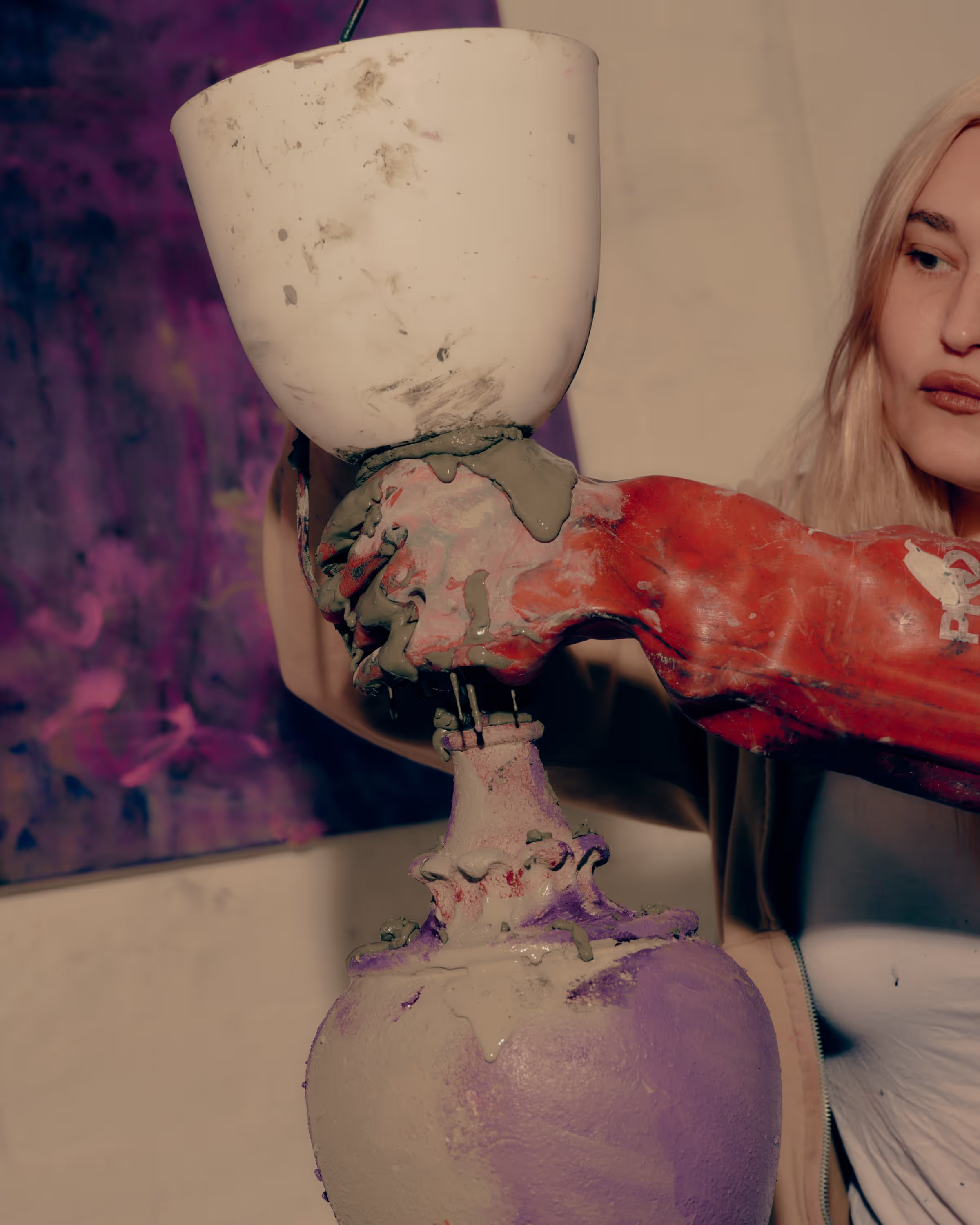
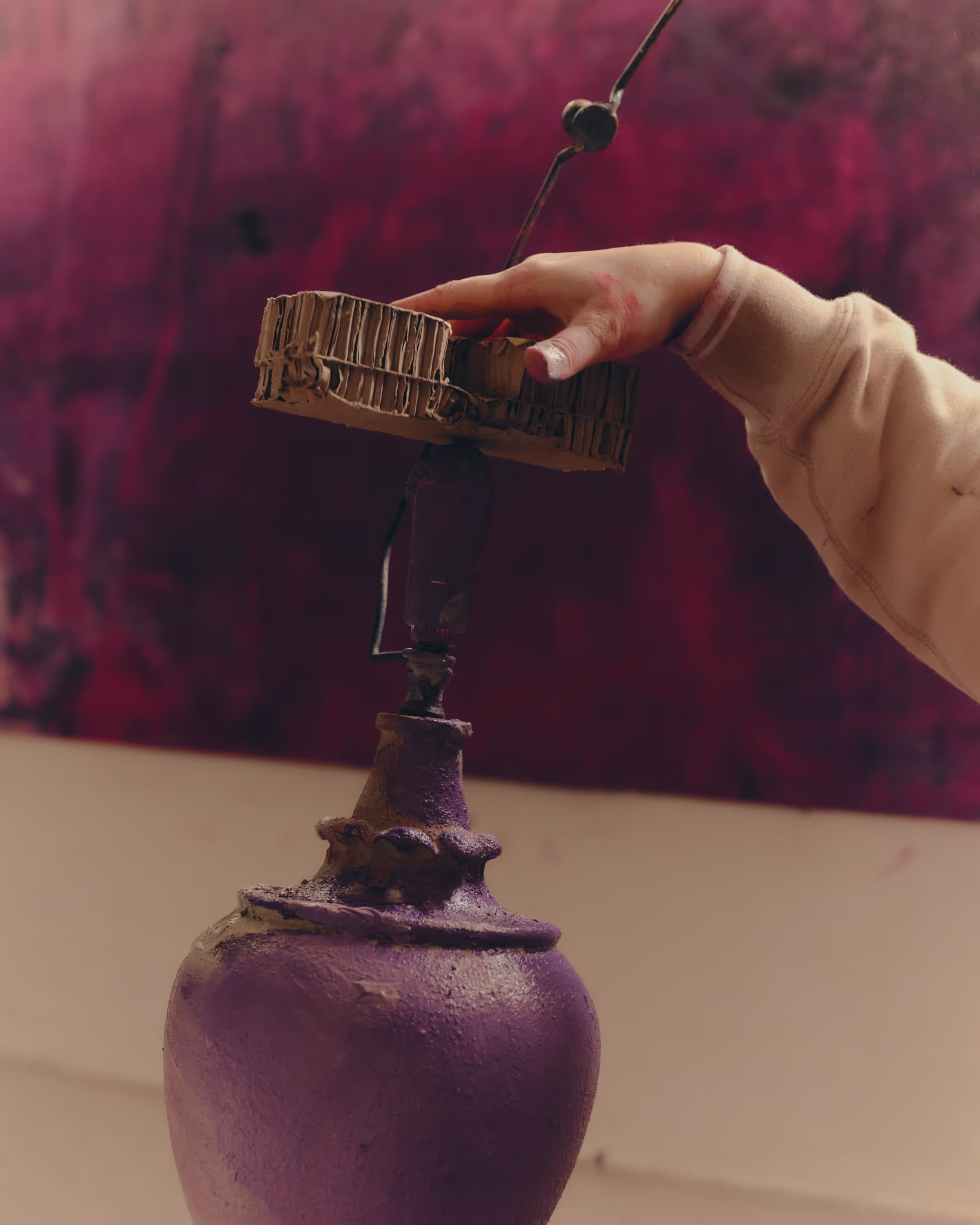
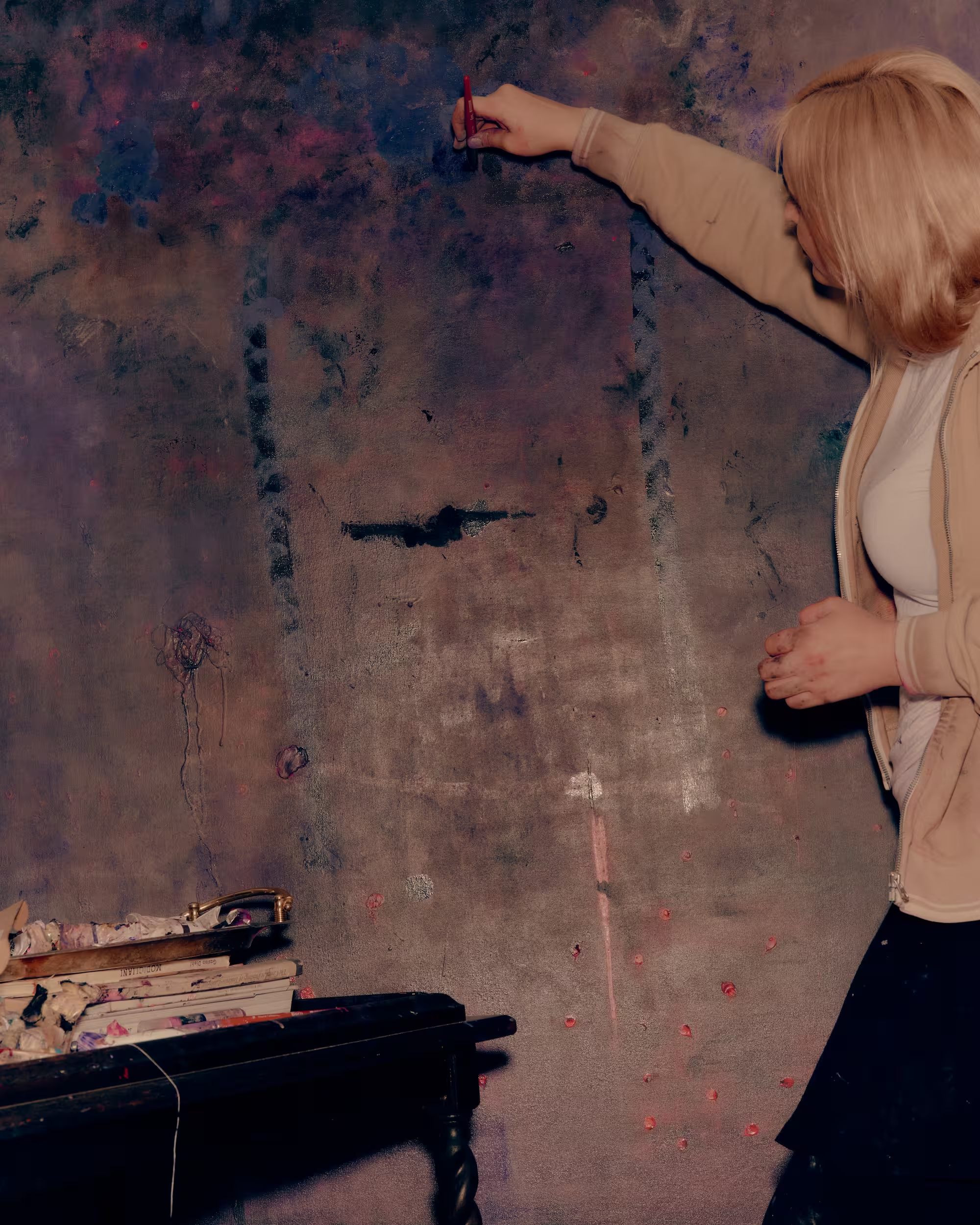
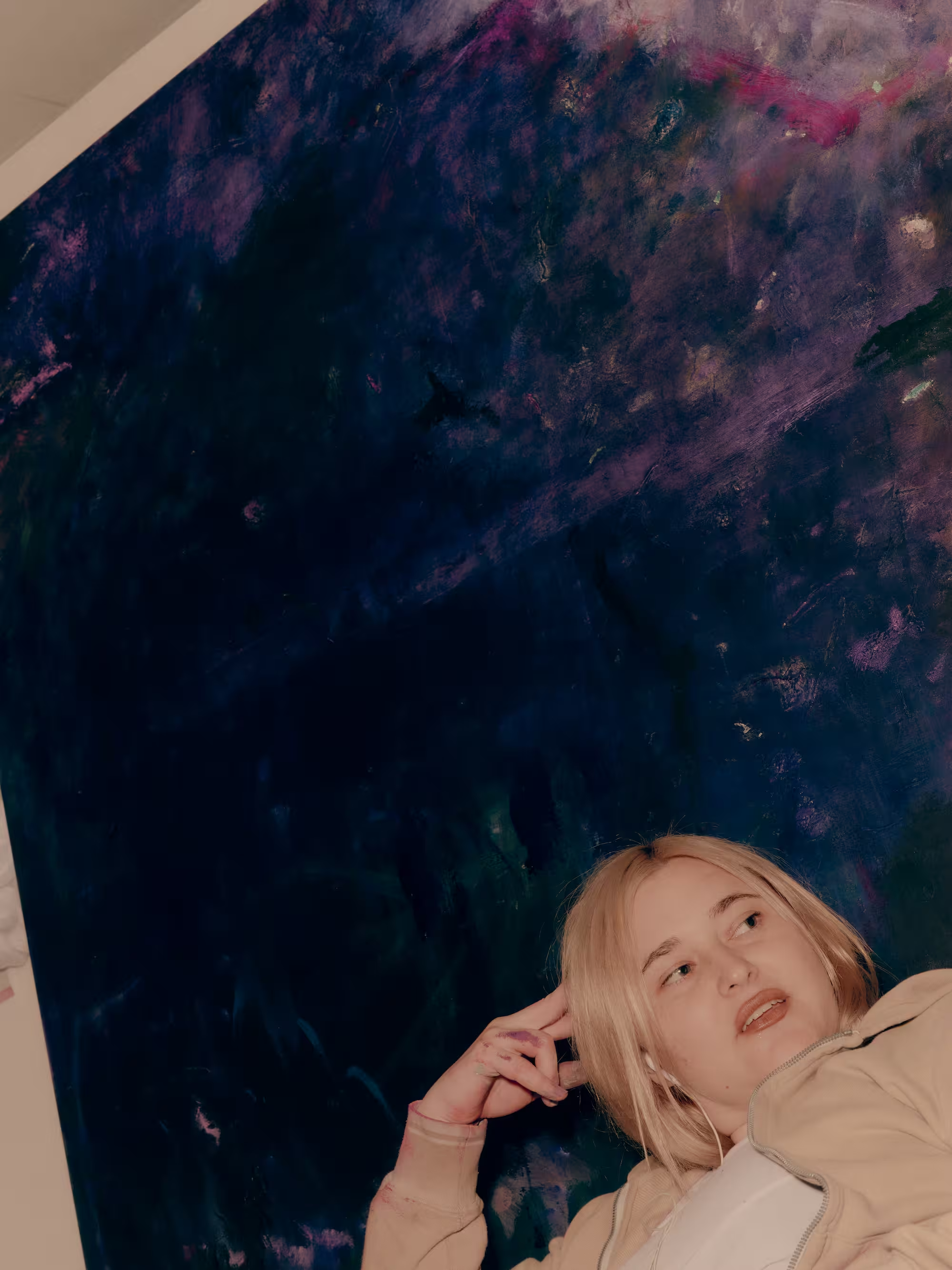
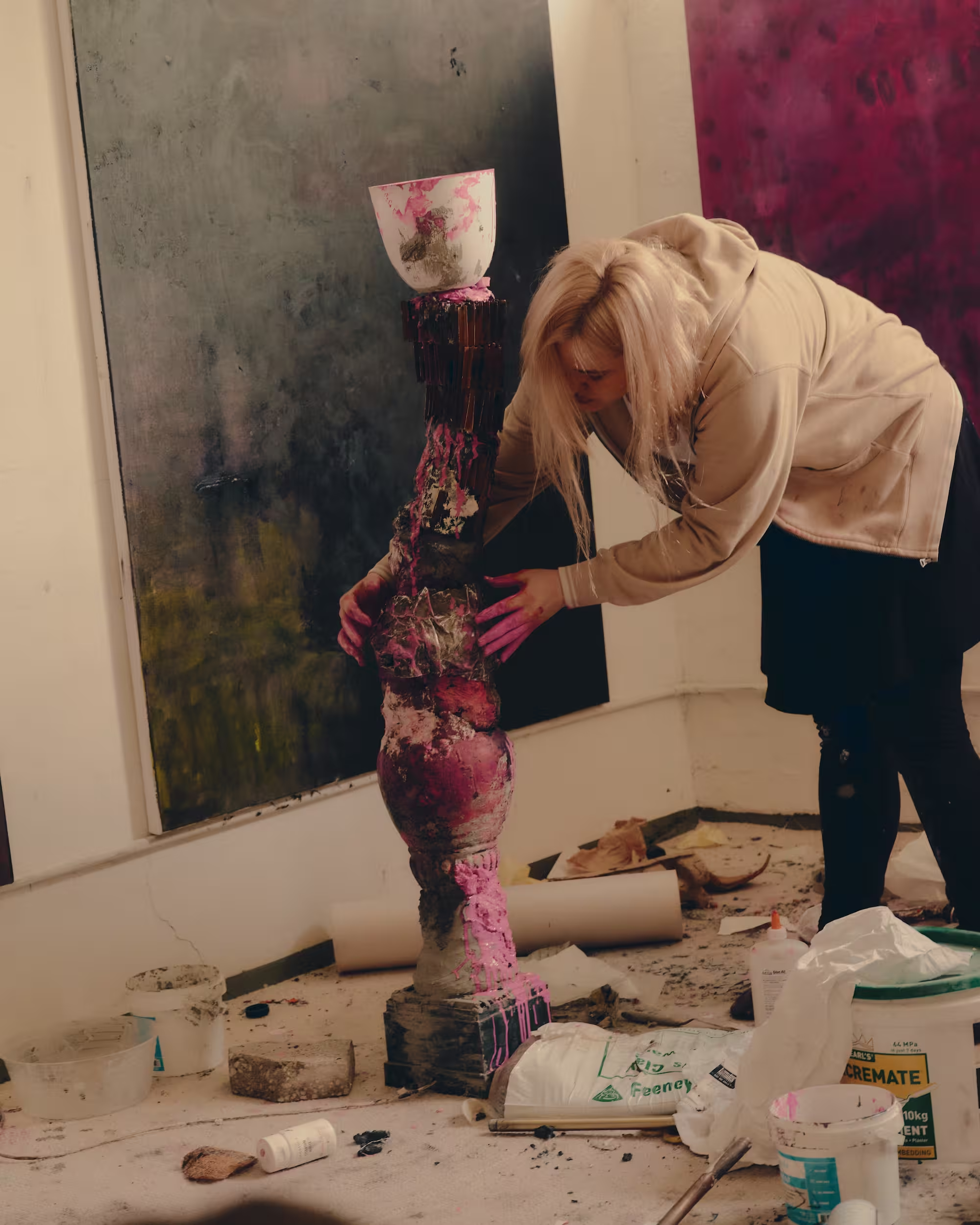
Melbourne-based artist Ami Morris works across painting and sculpture - building surfaces slowly, through accumulation and instinct, until the work tells her what it is. Her large-scale abstract paintings are dense with material history: crumbs of oil pastel, cotton, found objects, clumps of paint and string that have formed on their own. Alongside her paintings, she works in sculpture - building with scrap metal, found objects, and whatever materials are close at hand. Across both, it's the physical world around her that drives the work.
On being an artist –
“When I’m making, I’m in a time capsule. I enter a bubble, and the work consumes me. Once a painting is finished, it sort of lets me go - like a release.”
It’s hard for Ami to pinpoint a single moment of becoming an artist - she traces it loosely to her first exhibition, the beginning of a practice that now spans five shows. What she remembers most from her most recent opening is the faces: people who were deeply engaged, a room of friends but also strangers who had found something in her work.
She has never made without a deadline, every body of work has been shaped by one. It’s something she’s come to value rather than resist. However she works - whether exploring, testing, following instinct - the work always finds its way to an exhibition. “Creativity shows up in so many ways,” she says, and for Ami, that restless accumulative process of making has always resolved into something exhibited, shown and engaged with.
On process –
“I’m led by a feeling, by my imagination. That’s where my ideas come from. I make as I go. I don’t necessarily know what it’s going to be, I just do.”
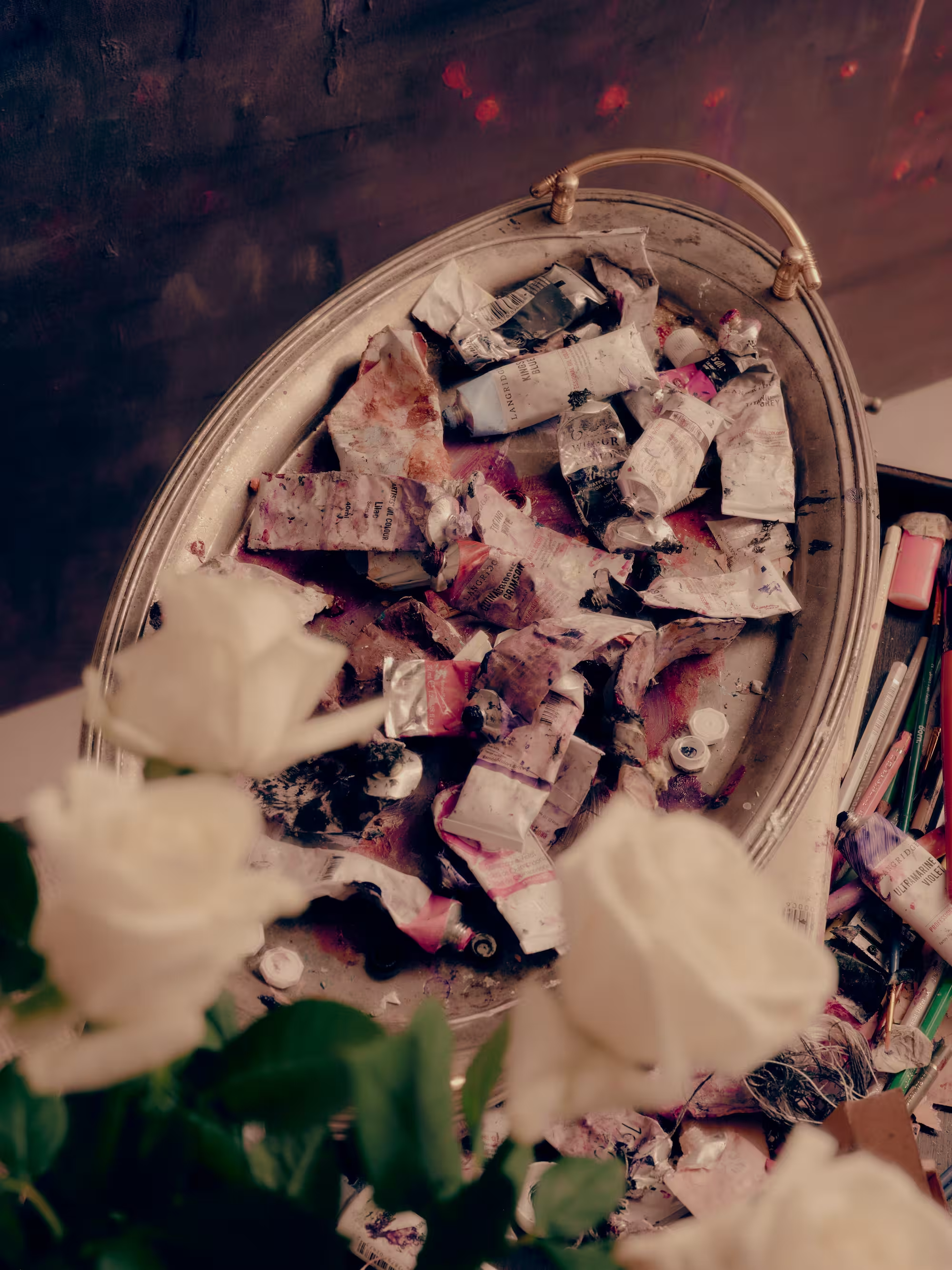
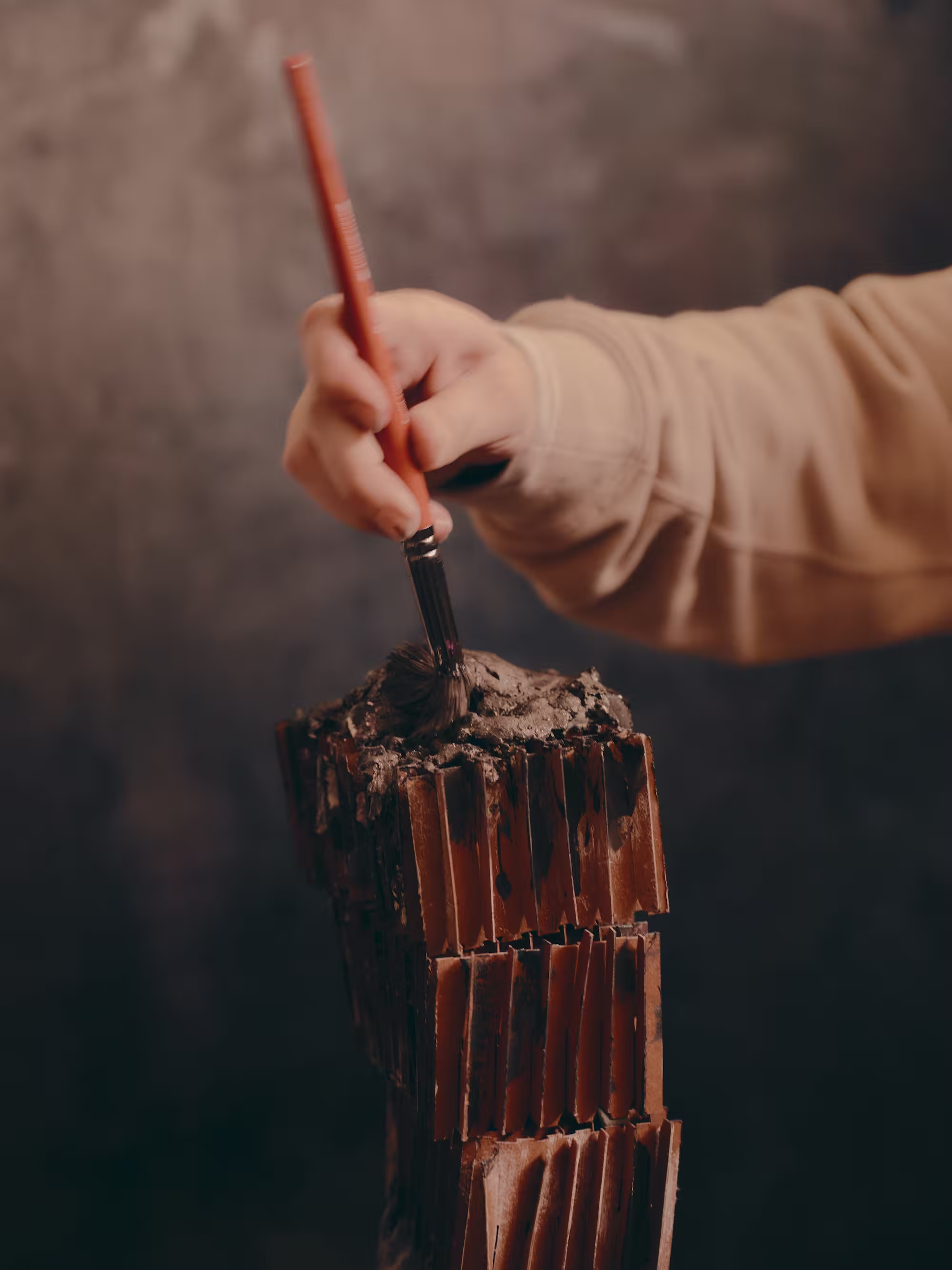
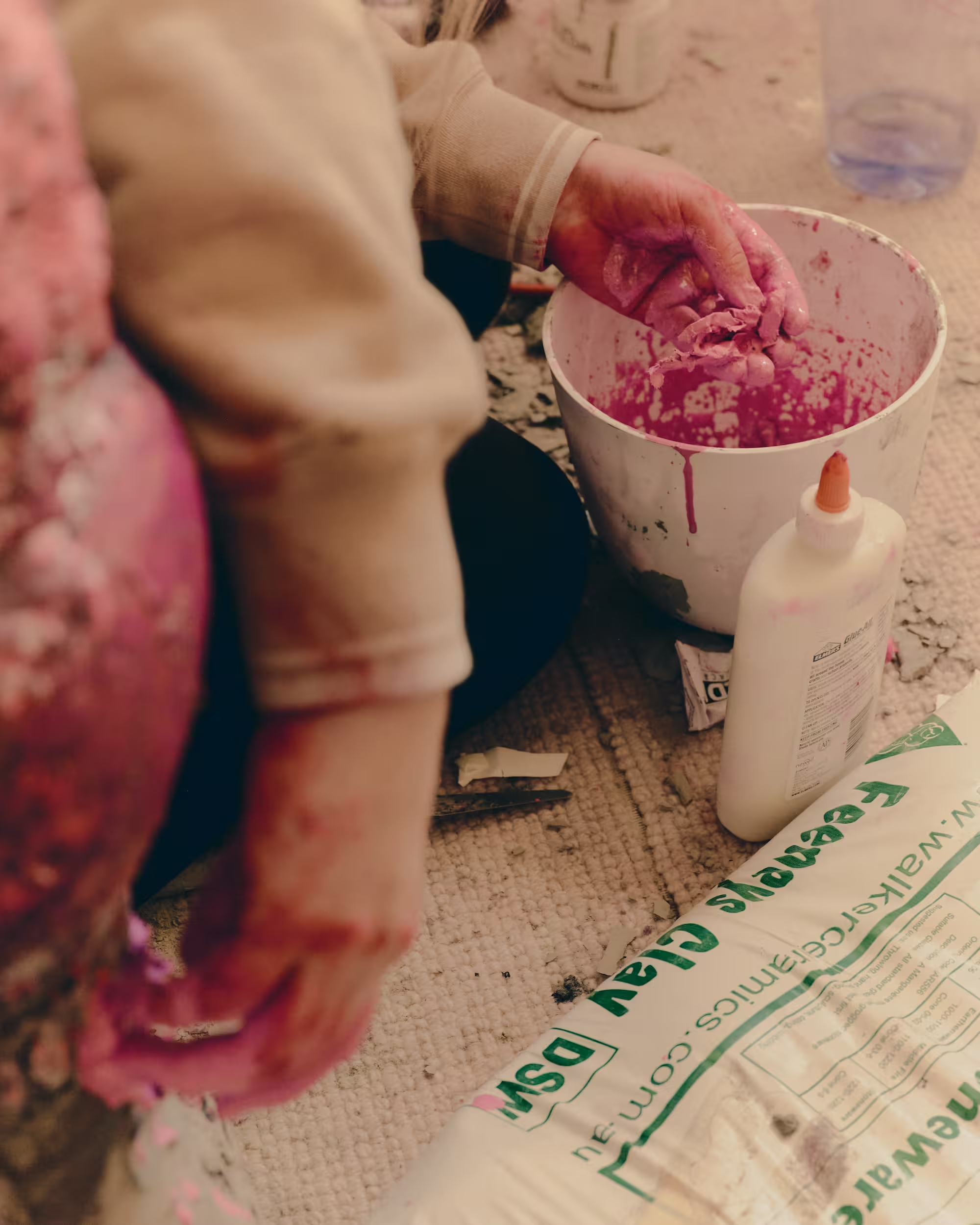
Ami works in long sessions, building layer upon layer - sitting, looking, processing, day in, day out until something emerges. Every layer is always in service of the next. Her studio is also part of the work: flowers in the space while she paints, found objects from scrap metal yards, paper maché scraps dripping with glue and vibrant pink paint, clumps of paint and string that have taken on their own form. A messy studio, she says, is inseparable from the practice. It's immediately clear how deeply her surroundings feed the work - she collects for shape, form, colour, texture, not always knowing why, until the thing is in her hands suddenly makes sense. Having these objects around leaves her grounded, anchored in what she's trying to translate.
The conditions around the work matter too. Scent and sound are also crucial to the process. "I either need silence to hear myself and allow my intuition to guide me," she says, "or I need music to help me process what I'm feeling and allow me to be there in that feeling." When music is what's needed, she'll often play the same song on repeat - fully inside it, until the work takes over. These details aren't incidental. They're part of how she gets into the work and how she stays there.
On materials -
“I love the language of materials. Everything has a meaning.”
In her studio, Ami shows me works in progress - testing with different materials, new canvases, pencils, varying surfaces. She moves through them until a flow state takes over and the painting begins to reveal itself. "Each layer is leaning towards something and I don't know what it's going to be - it's a flow state, becoming perfectly formed over months," she says. "I'm really interested by the layers and textures behind everything." These layers and textures are as much the work as the surface you finally see.
Ami thrives on the experimentation of materials. She has recently been drawn to wax - mixing it with oil paint and raw pigments, letting the materials guide her in a way she hasn't worked before. "I'm letting my creativity flow from that," she says. "Using wax, adding pigment, creating different textures - a different way of making is opening new thoughts for me." There's something about being physically in it with the material, letting it define the work rather than the other way around.
Like the vision of the painting itself, titles don't come at the start. They arrive when the painting is finished, sometimes finding the words already there, as if written. "I don't know what it's about yet," she says. "Until the paintings are complete and then the words come to me."
"You can't force marks. It's about layers and how things sit next to each other." Looking at Ami's paintings, that rings true: expressive, accumulative, built gesture upon gesture. The more you look, the more it reveals itself.
On residency –
“I haven’t ever done a residency but I’d love to.”
.avif)
Ami hasn't done a residency yet, but she wants to. The desire is there; it's the getting there that's the work. The process of finding the right opportunity is its own kind of overwhelm: residencies scattered across different platforms, grants and funds that require navigation, applications that can feel overly academic, opaque and inaccessible. For someone with ADHD, that landscape creates barriers and is genuinely hard to move through - deadlines slip, chances surface and disappear before she's even found them. "I've missed out on so many - missed deadlines, difficulty researching, chances that slipped by."
That's where platforms like Densi feel meaningful to her: opportunities gathered in one place, clearly presented, without the sprawl of research that so easily swallows time and focus.
See more of Ami's work - here
All photography courtesy: Pier Carthew