

← Back
Share →
Chris Polak
Chef, Storyteller, Curator of Culinary Experiences.
Artist Talk is a series by Densi where we speak with artists about the intersections of life and practice. As artists ourselves, these conversations are an ongoing way of understanding how creativity takes root, and how we can continue to cultivate its power.
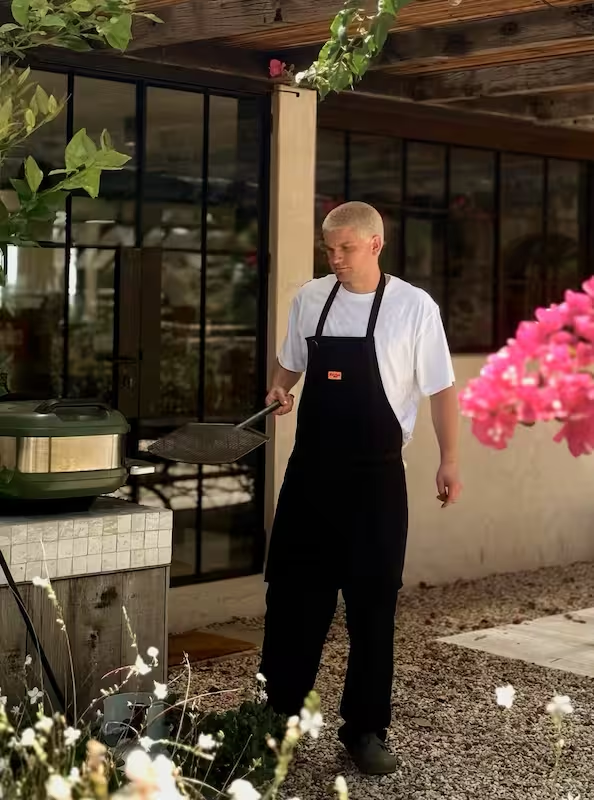
Chris Polak ‘Polly’ is a Melbourne and Byron Bay-based chef, creative, and founder of Polly’s, whose work sits at the intersection of food, storytelling, hospitality, and place. For Chris, food is more than something to be consumed. It is a way of communicating, connecting, and telling stories, whether through a single ingredient, a communal table, or an entire conceptual experience. His practice moves between intimate dinners, creative briefs, always returning to the same question: how do you make people feel?
Art in three words: Make people feel.
On becoming –
“Mum was the number one cook. She had me in a high chair at the kitchen bench ‘helping’ her make dinner.”
Chris’s relationship with food began long before he understood it as a creative practice. His mum was an enthusiastic cook, often introducing new ingredients into the kitchen, his childhood was filled with outdoor exploration and cooking alongside his three older siblings. There was something inherently social about food from the beginning. In primary school, he started a “food dudes” picnic club, bringing together classmates to celebrate different cuisines and cultures each week, complete with a homemade publication of recipes, food stories and illustrations with his best friend (who later became a tattoo artist).
It was always about more than eating. It was about gathering people together.
Chris spent much of his early twenties trying to avoid turning cooking into a profession. Hospitality, he says, is a brutal industry, and for a long time he didn’t place enough value on the work. It was only when he began to understand food as a form of storytelling, and to see its connections to art, science, nature, politics and identity, that everything clicked.
In 2020, he started Polly’s as a way of cooking in his own way. Around the same time, his mum was diagnosed with early onset dementia. During COVID, Chris began making date-night boxes through Polly’s, pairing natural wine and flowers with meals to be assembled at home. He would bring his mum into the kitchen under the guise of helping out, giving them an excuse to cook, prepare and drink wine together. Watching her rediscover foods and flavours she had forgotten became a bittersweet full-circle moment.
Food had always brought people together for Chris. Now, it was giving him a way to connect with someone he loved in a different way.

On food as a creative medium -
“Food is such an ephemeral and paradoxical medium, both a low involvement activity people are involved in multiple times a day and a profoundly important part of being human and our connection to the rest of the world and each other. Meaning is ultimately up to the consumer. Art you literally put it inside your body, wild!”
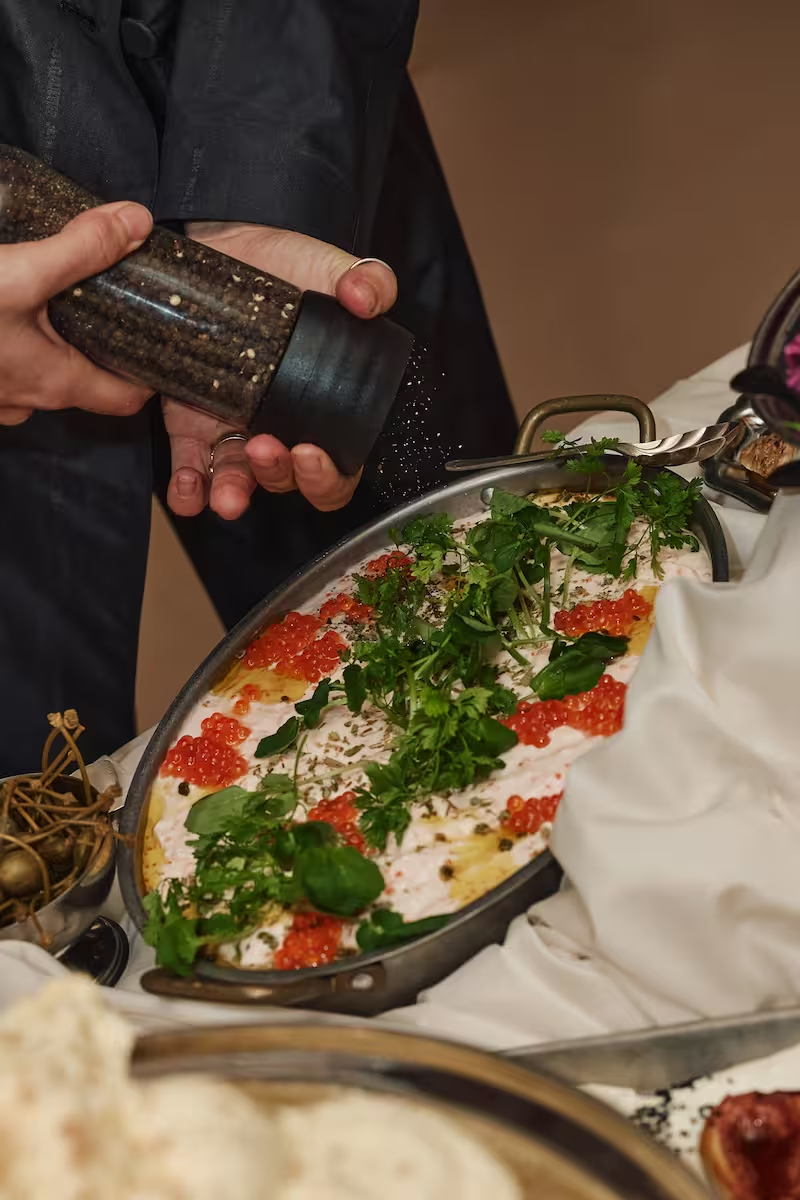
For Chris, a dish almost always begins with a single ingredient or producer and the narrative behind that. An obsessive farmer growing unusually flavoured tomatoes, someone diving for invasive kelp, or processing their own cacao in the back of a bookstore. From there, his job is to tell that story as clearly and concisely as possible.
Technique and science matter, but Chris sees balance as the most important knowledge a cook can have. Understanding when fat needs acid, salt needs sweet, smoky needs herbal, soft needs crunchy, or heavy needs vegetal means you can approach almost any ingredient with confidence, even if you've never worked with it before.
There is something particularly powerful about food as a creative medium because it is so immediate. Unlike an image or object, food is experienced physically and communally. It is fleeting, consumed and gone. “As the grim AI-fed digital dystopia slowly steamrolls creative landscapes I have found myself creating tangible, experiential and communal modes of storytelling, and I think that’s a really lucky spot to be.
On place and season –
“Tearing up bread with people you love is such a universal human experience, which makes food such an amazing medium to work with.”
Chris works between Melbourne and Byron Bay, two places that offer very different creative and culinary landscapes. In the Northern Rivers, he is drawn to the outdoor spaces and subtropical produce. In Melbourne, it is the energy and collaboration, the constant movement of people making interesting things and the ease with which creative communities come together.
But wherever he is, food is ultimately about connection to place.
“When you make yourself aware of food systems and the lifecycles of ingredients, and everything going on around you, it is impossible not to approach everything with a deeper sense of empathy and understanding. Indigenous Australian calendars are more complex, highly localised and relate to changes in animals, plants, weather, land and water. Which is such a better frame for understanding our environment than the four random seasons we run with that don’t quite seem to line up with anything”
It is a way of thinking about food that encourages attention rather than convenience. Eat what is plentiful. Give things reprieve when they are not. Don't force nature to produce something simply because a menu says it should.

The difference is tangible.
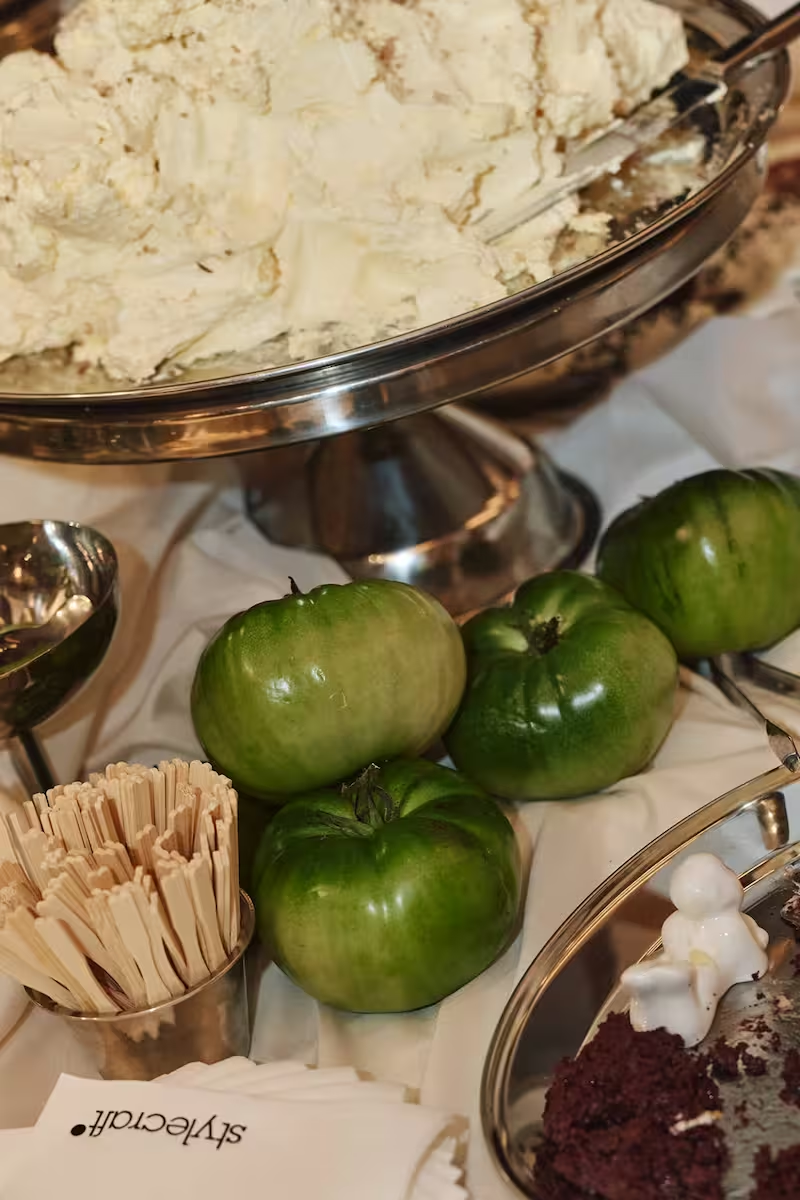
“A fat tomato picked off a vine down at Soli Farms at the end of summer will be the craziest, most beautifully complex tomato you could imagine. Whereas an heirloom tomato grown in some freaky giant heavily-irrigated greenhouse in the desert of South Australia and served up with burrata and green oil might still look the part on a wine bar menu, but it is ultimately going to be shit.”
On hospitality –
Chris remembers a restaurant in Cholula, Mexico, where a host moved between tables speaking to guests about where they came from and what they did. Once everyone was eating he picked up his guitar, sang to the room, and introduced each table as though they were superstars.
“A lot of the art of hospitality is in how you make people feel.”
For Chris, that is what hospitality is really about.” I’m always conscious of that with my offering. Being insta-worthy and satisfying a brief is one thing but when food is designed only for aesthetics, or is difficult to eat, or settings feel pretentious or make people uncomfortable, it undermines the whole point of getting people together for an experience.”
The food is important. But so is everything around it.

On residency –
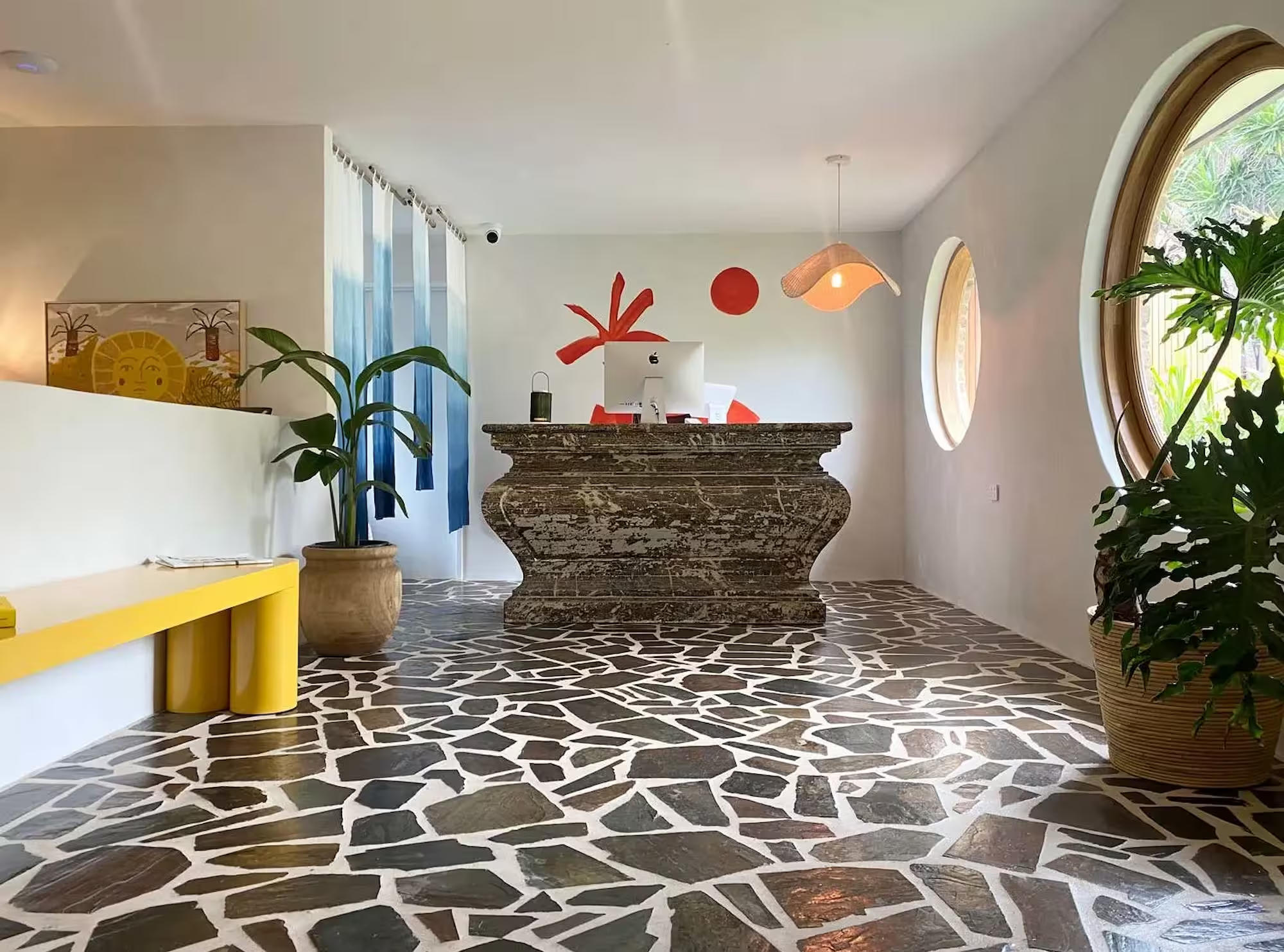
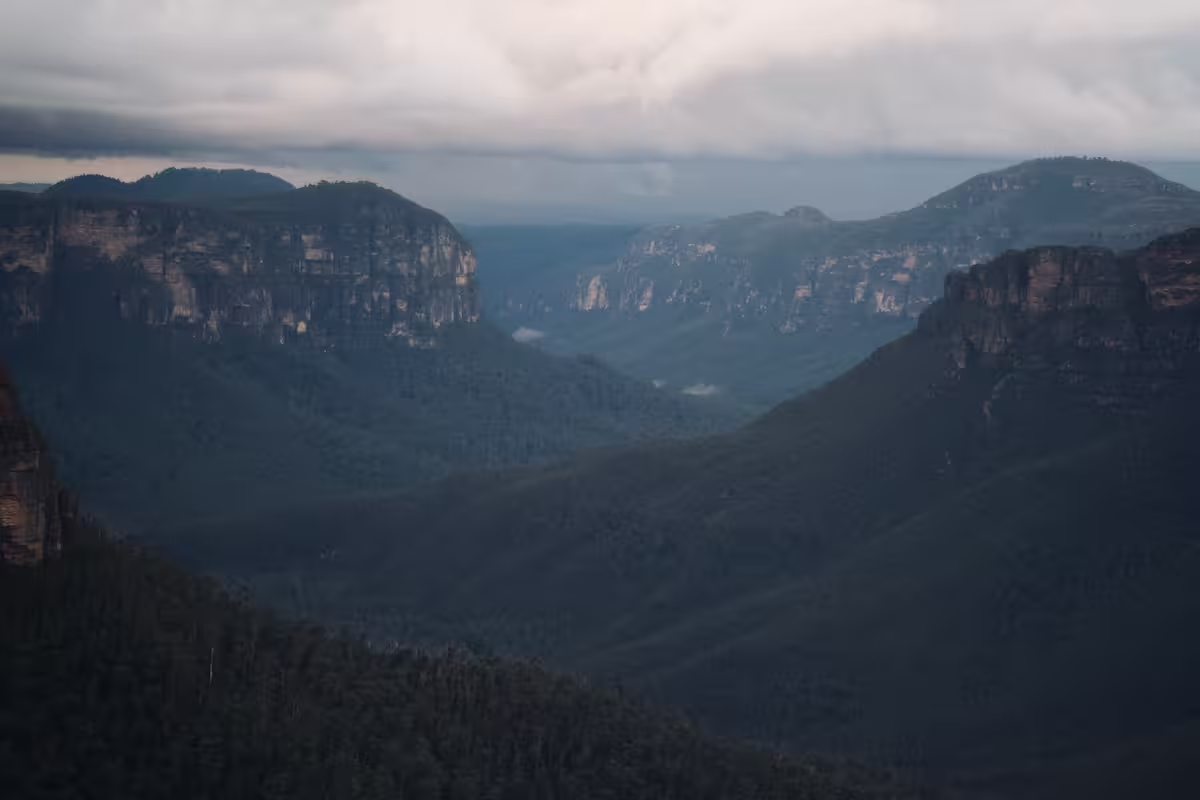
Chris recently spent time in the Blue Mountains for a residency at Frankie and Moe’s in Blackheath, a natural wine bar and tasting room run by father and son Bob and Tom Coleman and their families.
The place felt immediately aligned with the kind of hospitality he strives for through Polly’s: approachable, generous and relaxed, while still deeply committed to quality. There was an open kitchen and bar, allowing Chris to speak directly with guests and guide them through the food. “It is not always the case that you get to provide direct context for your work as a chef, and be so immediately accountable, as often you’re hiding in a kitchen somewhere removed from the customer.”
“The area is such an energising place to work, the mountains are home to some insane food producers as well as all kinds of interesting artists, poets, witches and wizards.”
One of his favourite things produced by Bob and Tom is their pét-nat Kanimbla cider, made from wild roadside apples and pears. “I love the idea that apples frisbee’d out the window on some family holiday in the 80’s could be the genesis of something so special and considered.”
Chris hopes to make the winter migration an annual one.
On making for others –
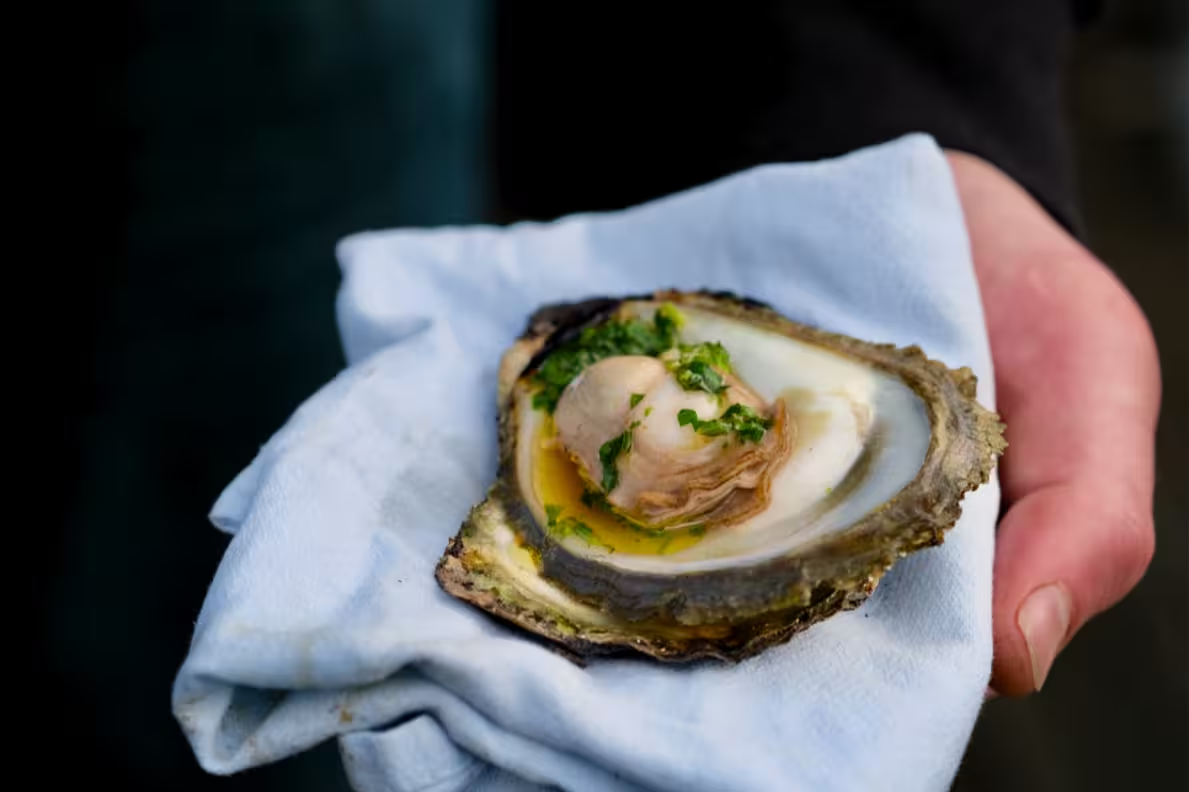
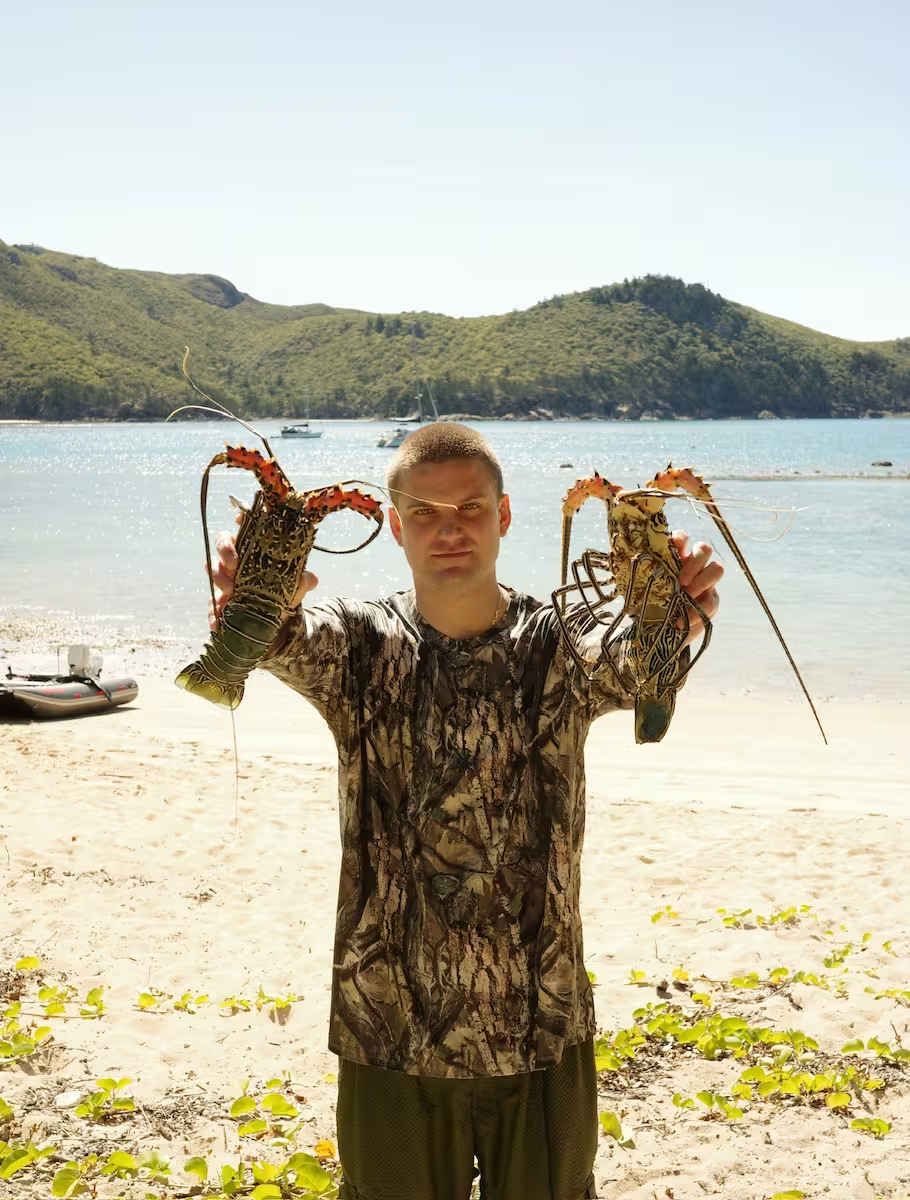
When asked what he would make with uninterrupted time, no bookings and no brief, Chris imagines being outside. Recently, he came close to that fantasy, spending a week with friends on an island in the Whitsundays. “ I slept in a hammock and went straight to the water or the boat every morning. We cooked and ate crayfish, squid, oysters, and a bunch of different fish, plus tropical fruits and lots of spicy things.”
But even in paradise, he realised he would eventually need something more.
“Even with all that, I would get miserable pretty quickly in paradise without a sense of purpose, which for me comes from making things for people.”
For Chris, making is inseparable from sharing. His work only really comes alive when there is someone on the other side of it to experience it. Food is created to be eaten, hospitality exists between people, and an experience only becomes meaningful when it is shared.
“If your meaning is your output, and your output is experience, then you need the other side of that relationship, otherwise there’s no point. Happiness is only real when shared.”
See more of Chris’s work here - eatpollys.com @eatpollys