
← Back
Share →
Nadera
Painter, Climate Advocate, Weaver of Place.
Artist Talk is a series by Densi where we speak with artists about the intersections of life and practice. As artists ourselves, these conversations are an ongoing way of understanding how creativity takes root, and how we can continue to cultivate its power.
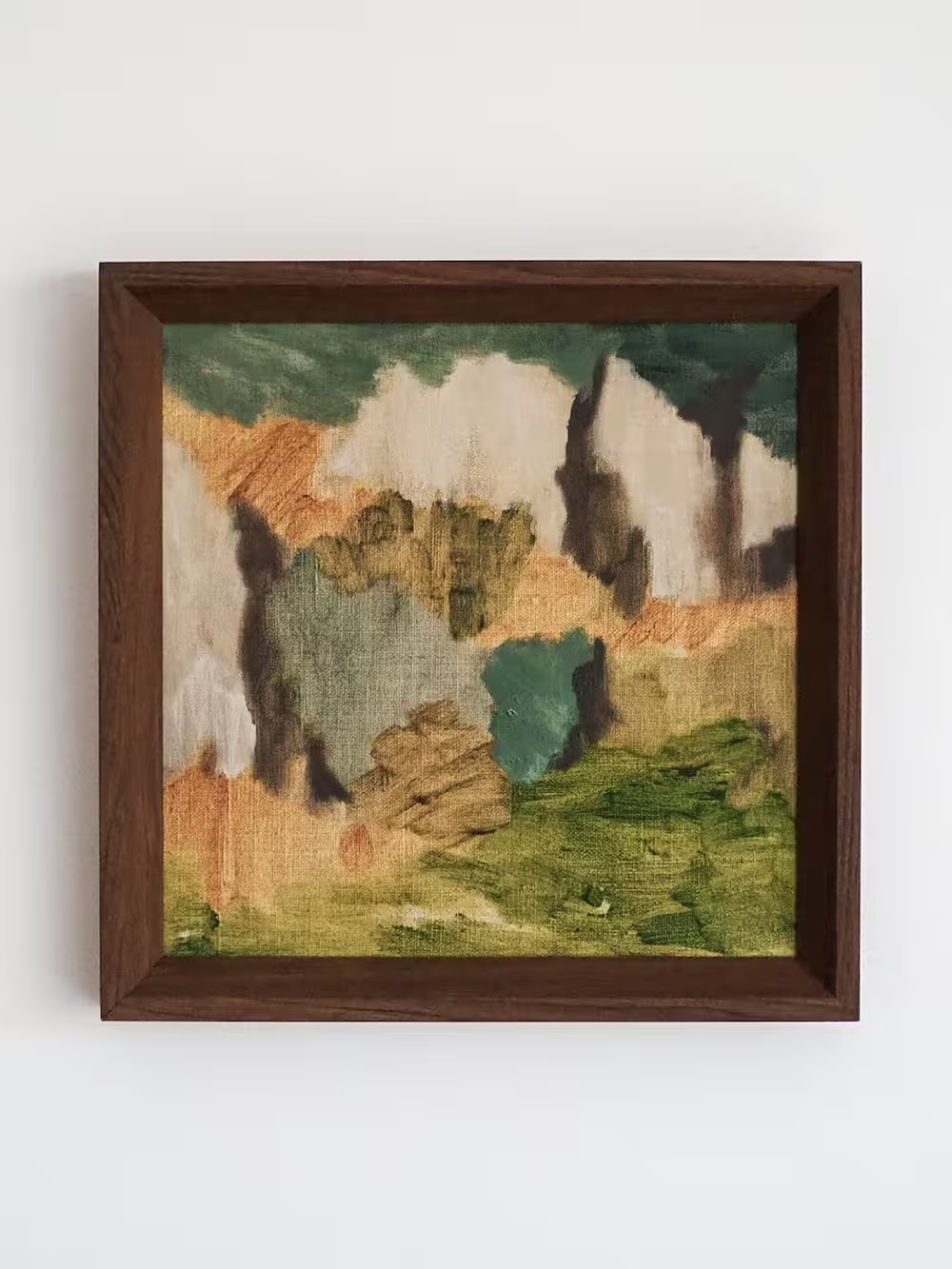
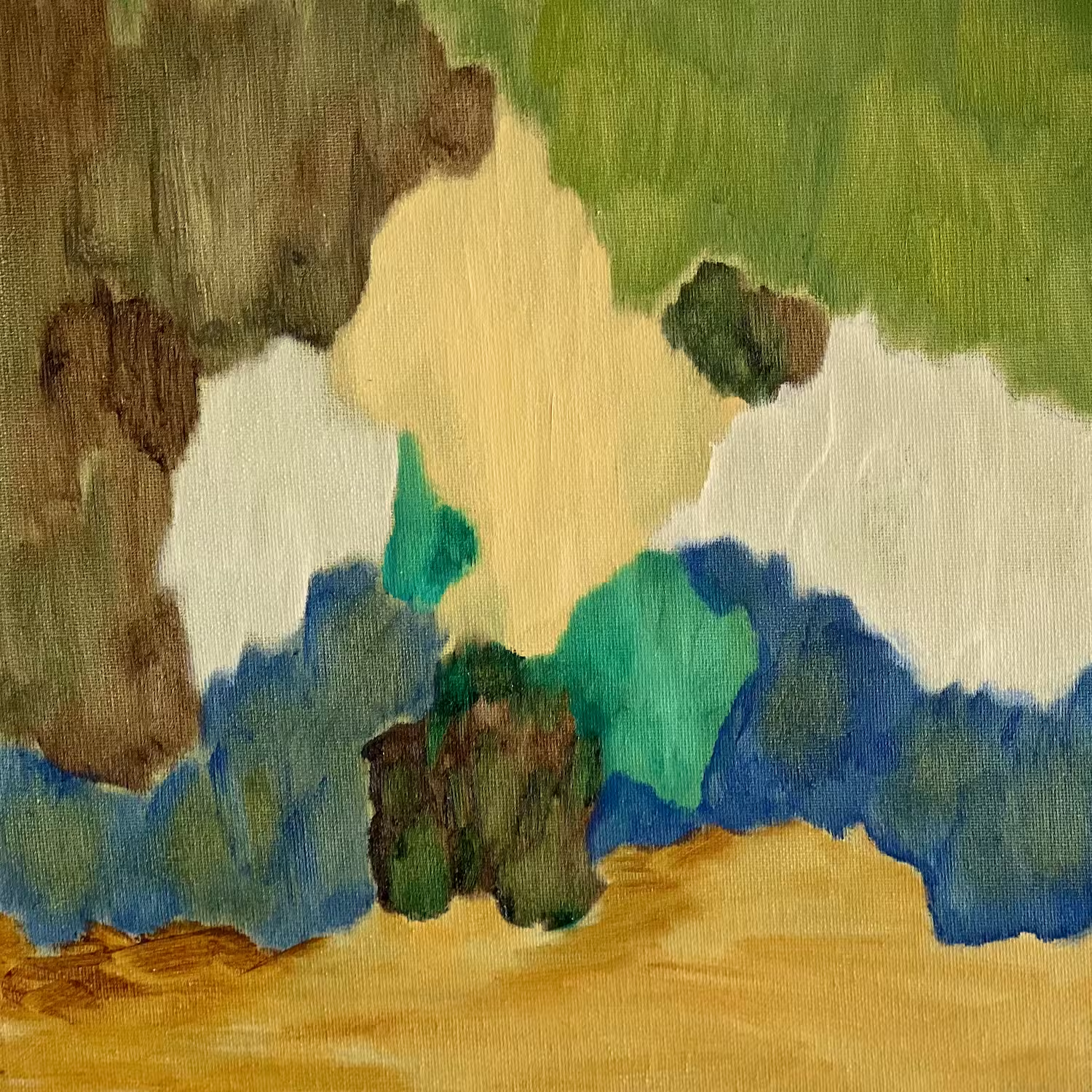
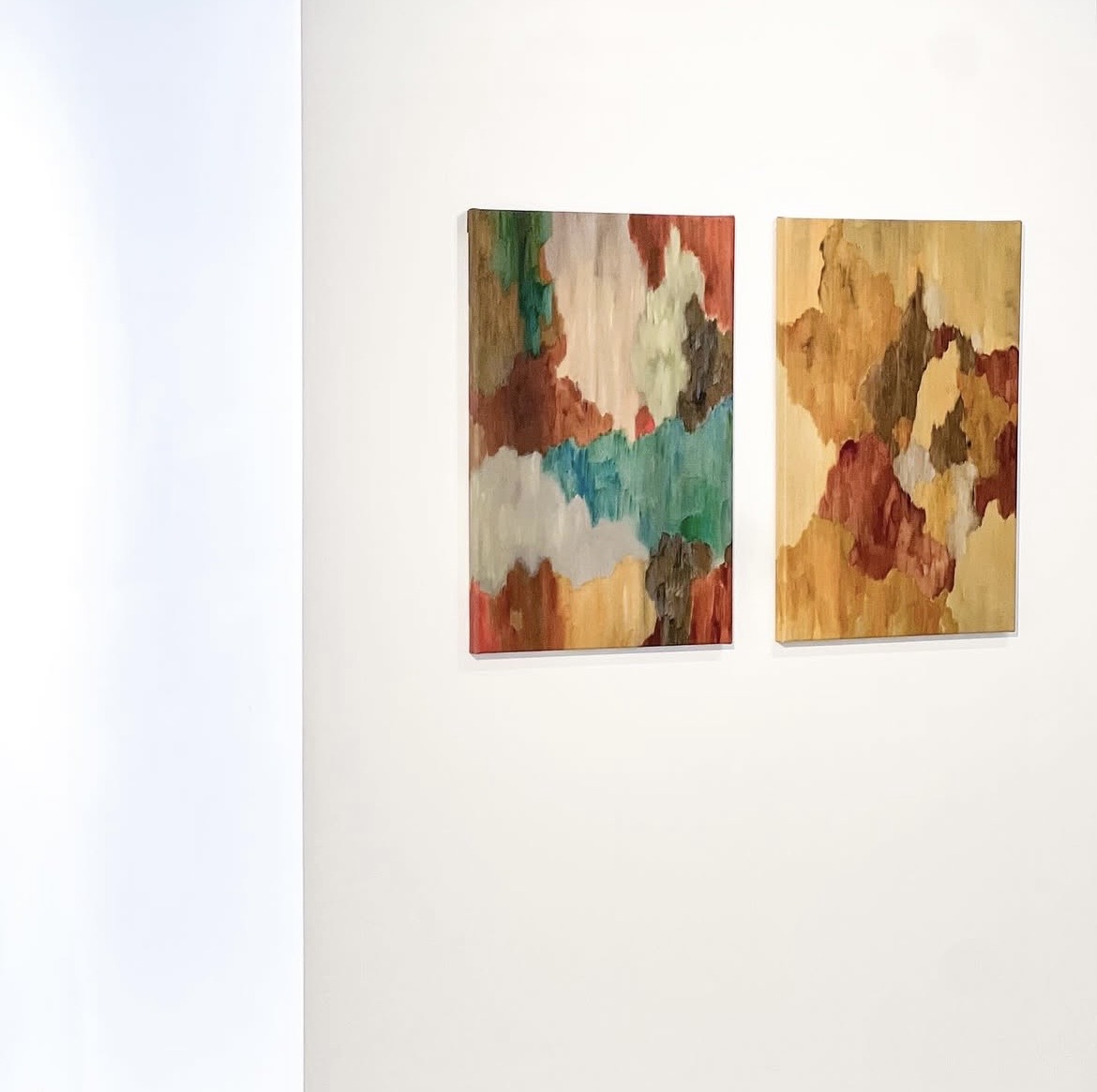
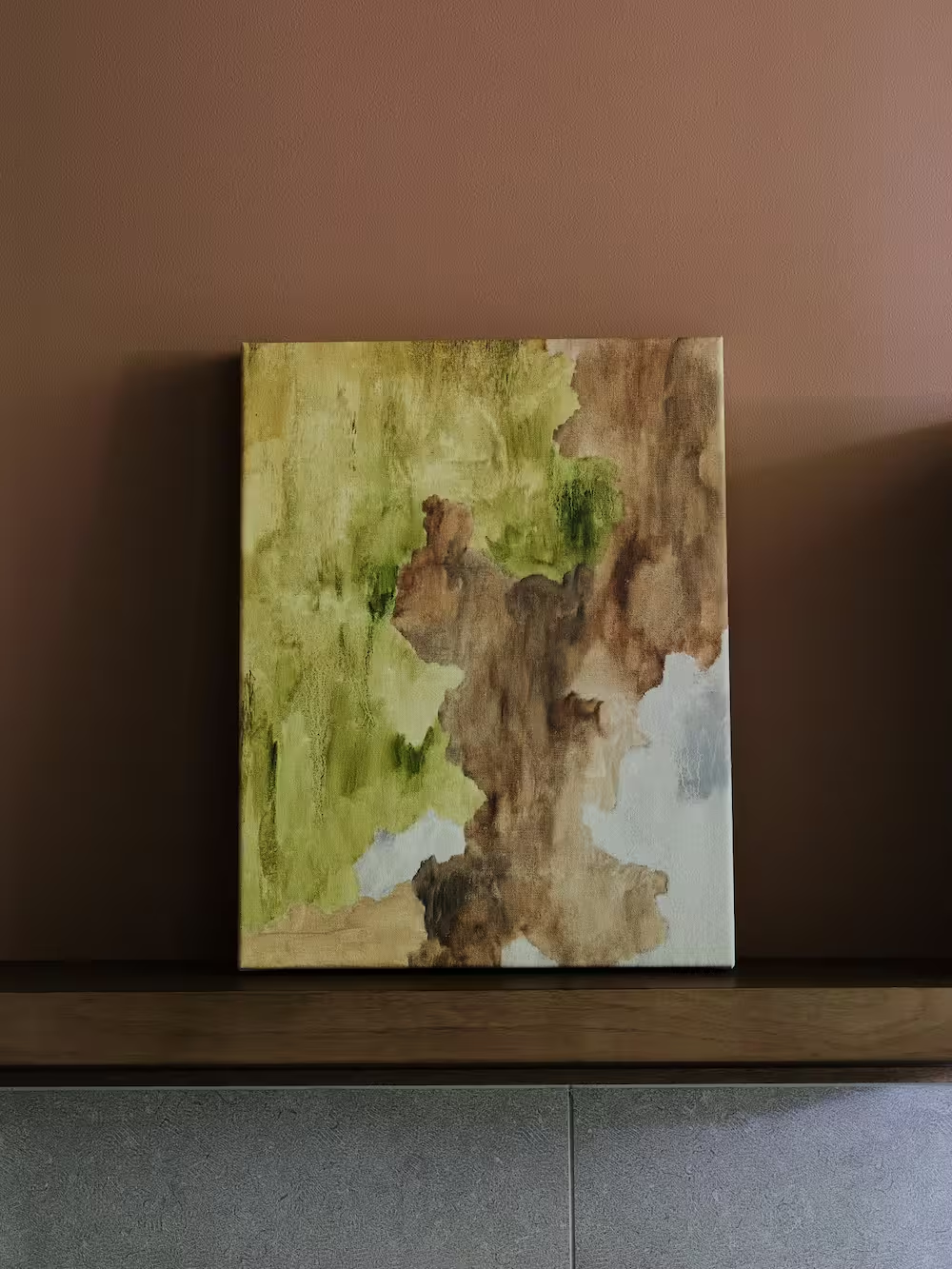
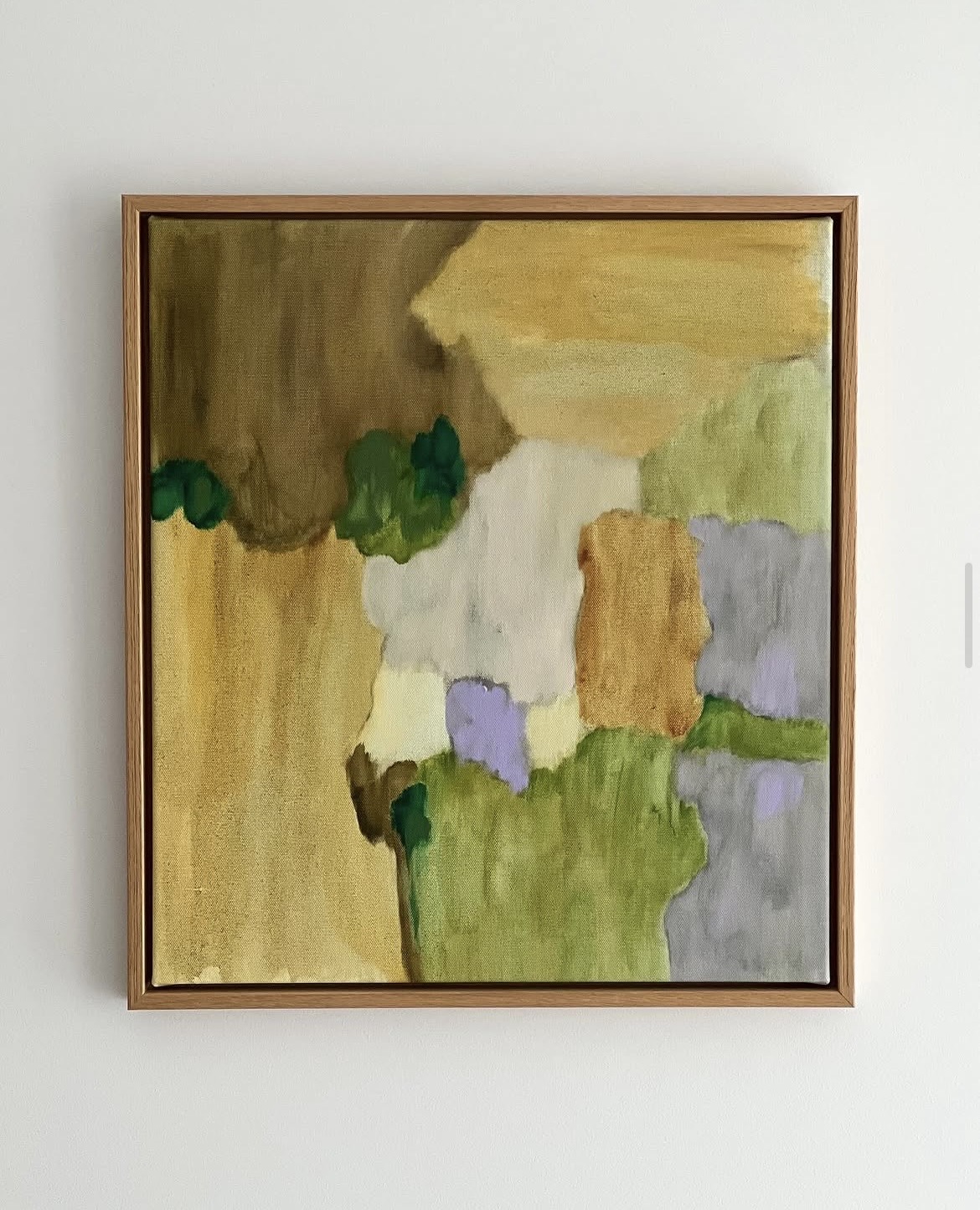
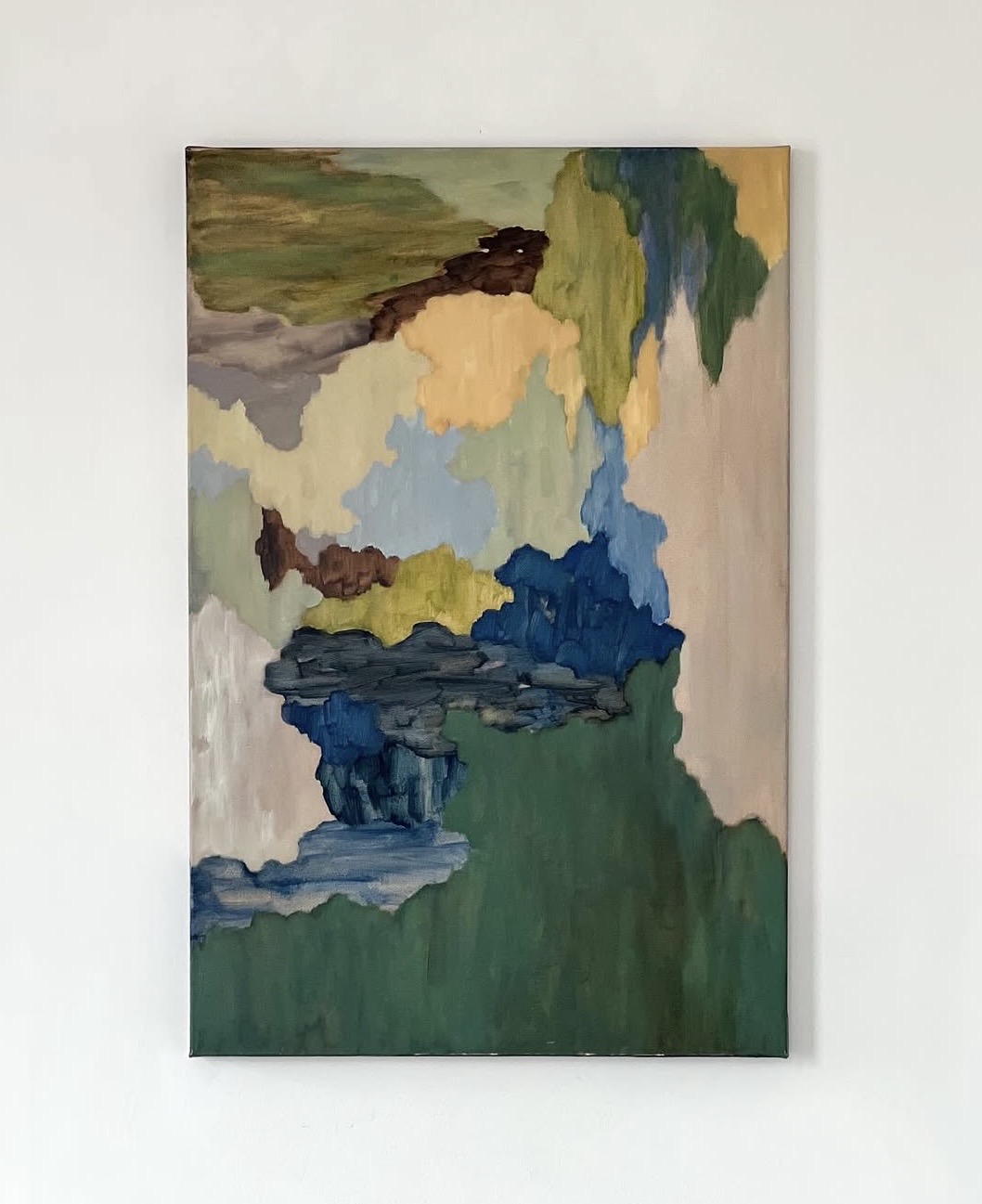
Nadera is a self-taught, Adelaide-born painter now living on the Fleurieu Peninsula, whose abstract work moves between heritage, landscape and the politics of land. Drawing on the rhythm of Uzbek ikat and the contour lines of topographic maps, her paintings hold beauty and honesty in the same frame. Alongside a career in climate policy and advocacy, she has been recognised in a number of emerging artist prizes, and her first major body of work, Kosh-Chenar, won a Fringe Weekly Award at the 2026 Adelaide Fringe Festival. Her practice keeps returning to the same idea: what we carry with us, and what a place does to us.
Art in three words: Presence, then clarity.
On becoming –
"I never painted with my mother. I simply watched."
Nadera grew up with an artist for a mother, but she always painted alone. She watched her mother's hand move across a brush, a pencil, a stick of charcoal, with the ease that only comes from decades of practice. At the time, she assumed her mother was giving her space to find her own hand. It was years later that she learned the real reason.
Her mother had trained as an artist in the Soviet Union, where art education meant constant critique, everything over-analysed and picked apart. In that process Nadera’s mother explained how a child's eye, the playfulness, the imagination disappears. Watching her daughter draw and paint was freeing and she made a conscious choice never to send her down the art school path. "She wasn't going to let that happen to me. So she just let me be."
Nadera was drawn to delve deeper into her art practice after a move from the Northern Rivers to the city for a job in climate policy "A world of red tape that would bog down even the most idealistic person. I needed beauty to survive it." She began painting the greens, ochres and blues of the land she missed, covering her walls in them. Then she found a local picture framer selling off-cuts of canvas and linen for five or ten dollars, remnants headed for landfill.
"Suddenly a shitty painting didn't matter, because the material was never precious to begin with. I made (and still make) so many shitty paintings. That's what freed me up to keep going."

On heritage –
"I was looking for a way back to something I felt I'd lost."
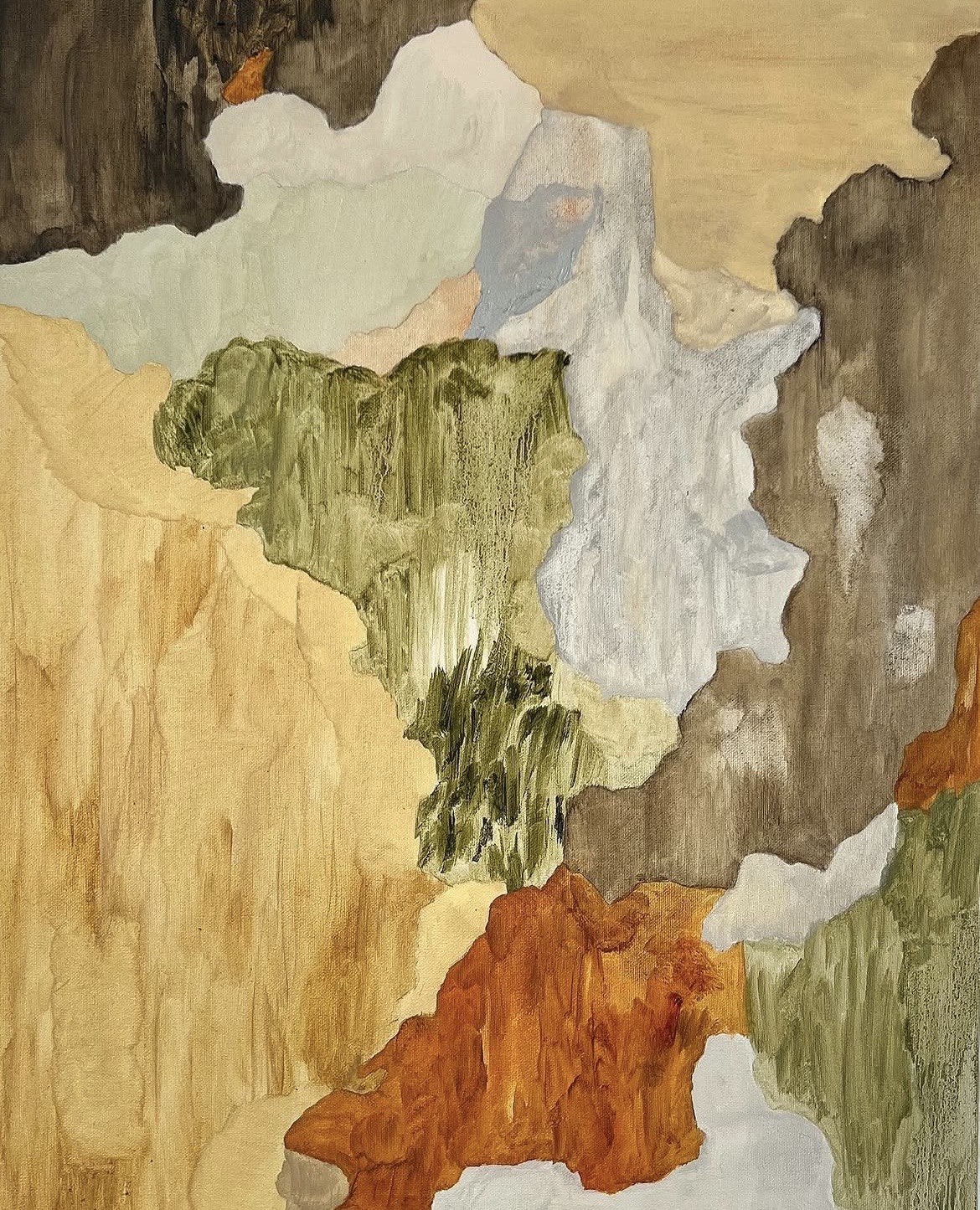
Growing up first-generation Australian, Nadera came to much of her heritage secondhand, through family stories and the Uzbek textiles that filled her home. Those textiles led her to ikat, the Central Asian silks in which the pattern is tied and dyed into the threads before a single row is woven. No one person makes the cloth. One artisan binds the design, dyers add each colour in turn, and a weaver brings the blurred motifs into focus on the loom. The patterns belonged to workshops, families and cities, passed between hands and down through generations. Wherever the cloth travelled, it carried that whole chain of hands with it.
"That idea undid me a bit. Heritage as something portable, something you weave into a new place instead of leaving behind in the old one."
She began painting that motion, the up and down of the loom and the repetition of it. It has become the thing people recognise as hers before they even know her name.
Topography came later, almost by accident. Working in climate policy, she spent time looking at maps and the lines drawn to divide land into councils, states and jurisdictions. "Lines that mean everything to a government and nothing to a flood or a bushfire." Those lines are recent. They were drawn over the lands and waters of Aboriginal and Torres Strait Islander peoples, who have cared for and governed them for tens of thousands of years under their own laws and knowledge.
"The ikat and the topography turned out to be the same idea at different scales. One is a person carrying their origin across a landscape. The other is a landscape that doesn't recognise the lines drawn over it. Both are about what happens when you stop treating the lines on the map as the whole story."
On place –
"I'm not painting what's in front of me so much as what a place did to me."
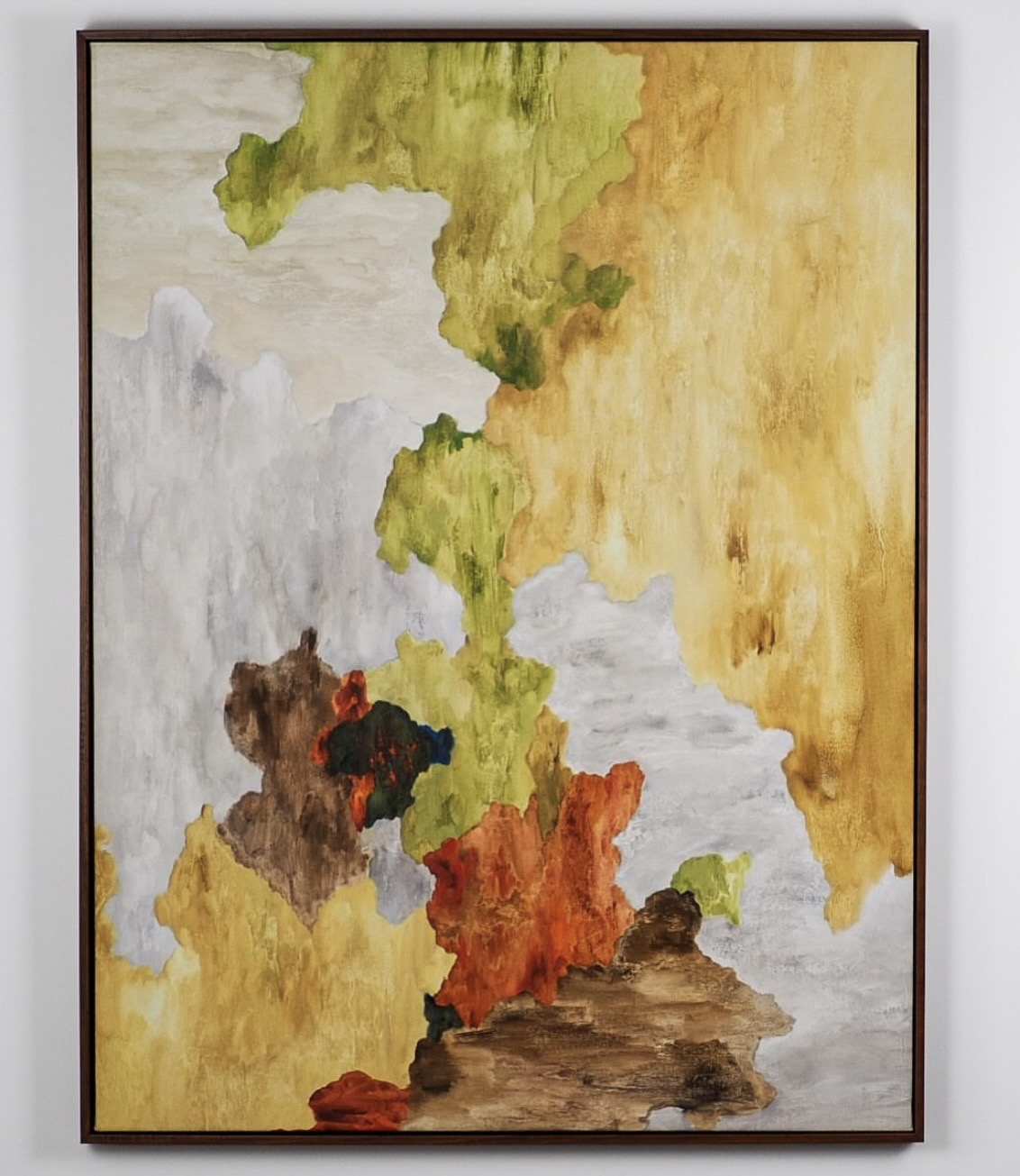
Some paintings come out subdued, others are loud and alive depending on her mood or what she remembers most vividly: a colour, an old memory, a particular kind of light.
Light is what she notices first. "Every place has its own, and I don't mean that poetically. It changes what colours you reach for without you even deciding to." Somewhere humid holds onto colour differently to somewhere dry. Early morning light does something midday never will.
After the details of a place fade the colours stay with her as a palette, three or four colours that hold the whole feeling of being there.
"That's really what changes from place to place. Not the subject, but the palette memory hands me back."
On process –
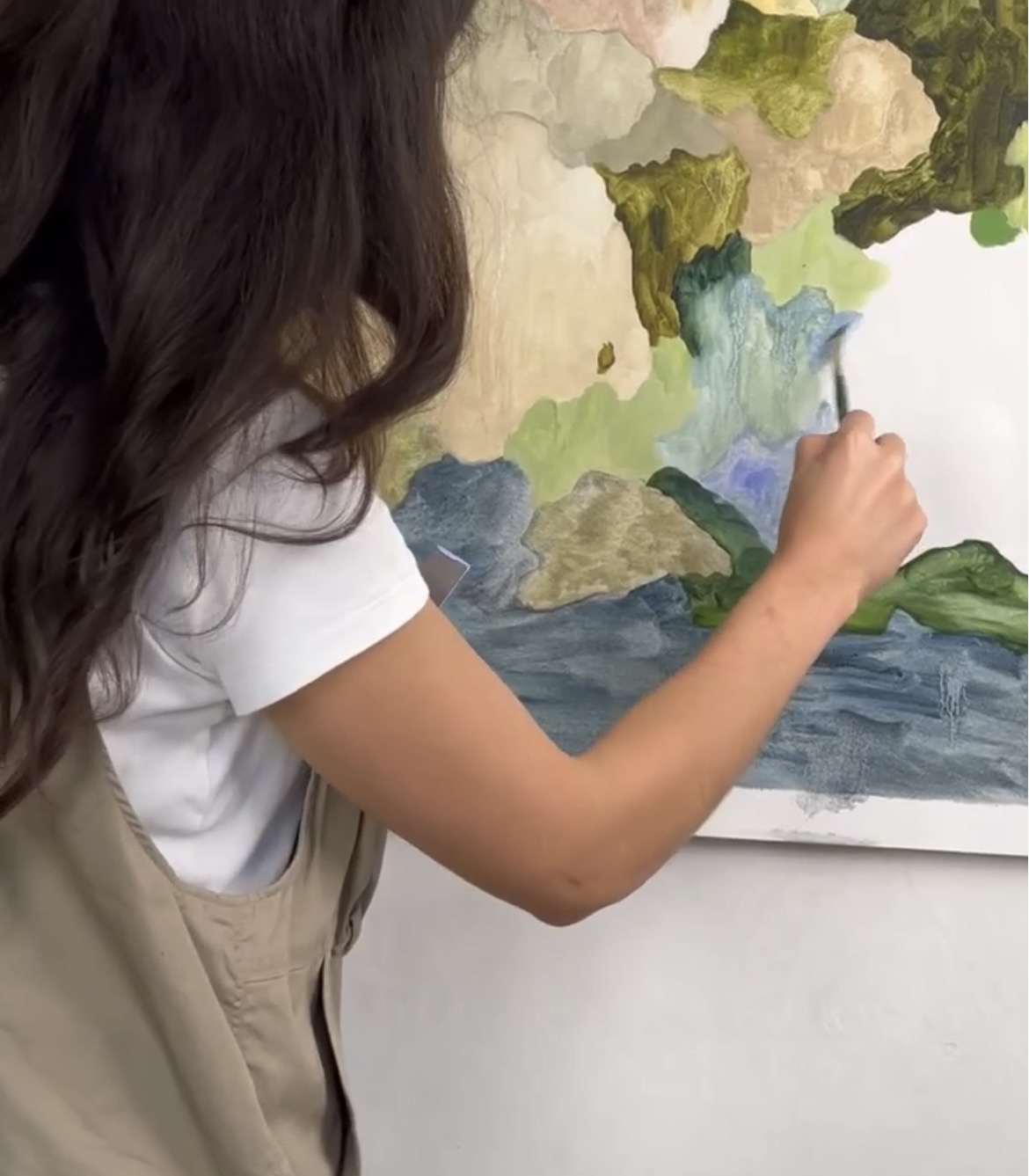
"When I paint, everything I'm holding gets put down."
Her work is often described as meditative, and for Nadera the making is too. Responsibilities, stress, whatever emotional weather is rolling through that week painting is a place of respite and recovery.
She puts it down to abstraction. The moment you try to paint something accurately your mind stays switched on. Abstraction lets her switch that part of her brain off. And the rhythm of painting using a repetitive up-and-down motion helps too.
"It's less like decision-making and more like breathing. By the time I look up, I've usually worked something out that I didn't know I was carrying."
On climate –
"I'm not interested in doom for doom's sake."
Alongside her studio practice, Nadera works in climate policy and advocacy, and she doesn't keep the two apart. Policy has shown her how slowly real change moves: the years between evidence and action, and the gap between what is promised and what is delivered. That tension is the raw material of the paintings.
Yet the work refuses to become a lament. "I want the work to celebrate the thing I'm actually fighting for, our natural environment, because somewhere along the way we forgot we're part of it, not just spectators." Each painting holds a landscape and the political conditions surrounding it at once, without choosing beauty over honesty, or the other way round.
Some works name the politics directly. Greenwashing takes on carbon offsets and corporate environmental claims, "the very special skill some companies have of getting quieter on emissions and louder on marketing, simultaneously." Fool's Gold turns to offshore oil and gas extraction and its toll on marine ecosystems, a cost routinely presented as progress.
Greenwashing was her first prize entry and was selected as a finalist in the 2022 National Emerging Art Prize.
On motherhood –
"Nothing prepares you for matrescence."
Motherhood reshaped Nadera's life and unexpectedly, her practice. The family moved interstate, leaving behind work she loved and a community they had built. Through that upheaval, painting was the constant. "Somewhere in the middle of both, my practice became the thing that led me back to myself."
What surprised her was what motherhood gave the work. A lifelong perfectionist, she could ruin a good painting by fussing over it for another three hours. "You can't parent like that. There's no version of raising a small human where you get to control every variable, plan every outcome or redo the bits that go wrong."
That loss of control loosened something painting alone never had. She now lets a piece be what it is far sooner, leaving marks unresolved and decisions visible. "Some of my favourite recent work only exists because I stopped trying to fix it."
On residency –
"Moving back to your hometown, the one you thought you'd outgrown, is disorienting at the best of times. Add a newborn and it gets stranger still."
A friend sent her the call-out for a six-month residency at The Mill and pushed her to apply. She nearly talked herself out of it. "Who applies for a six-month residency with a baby on the hip?"
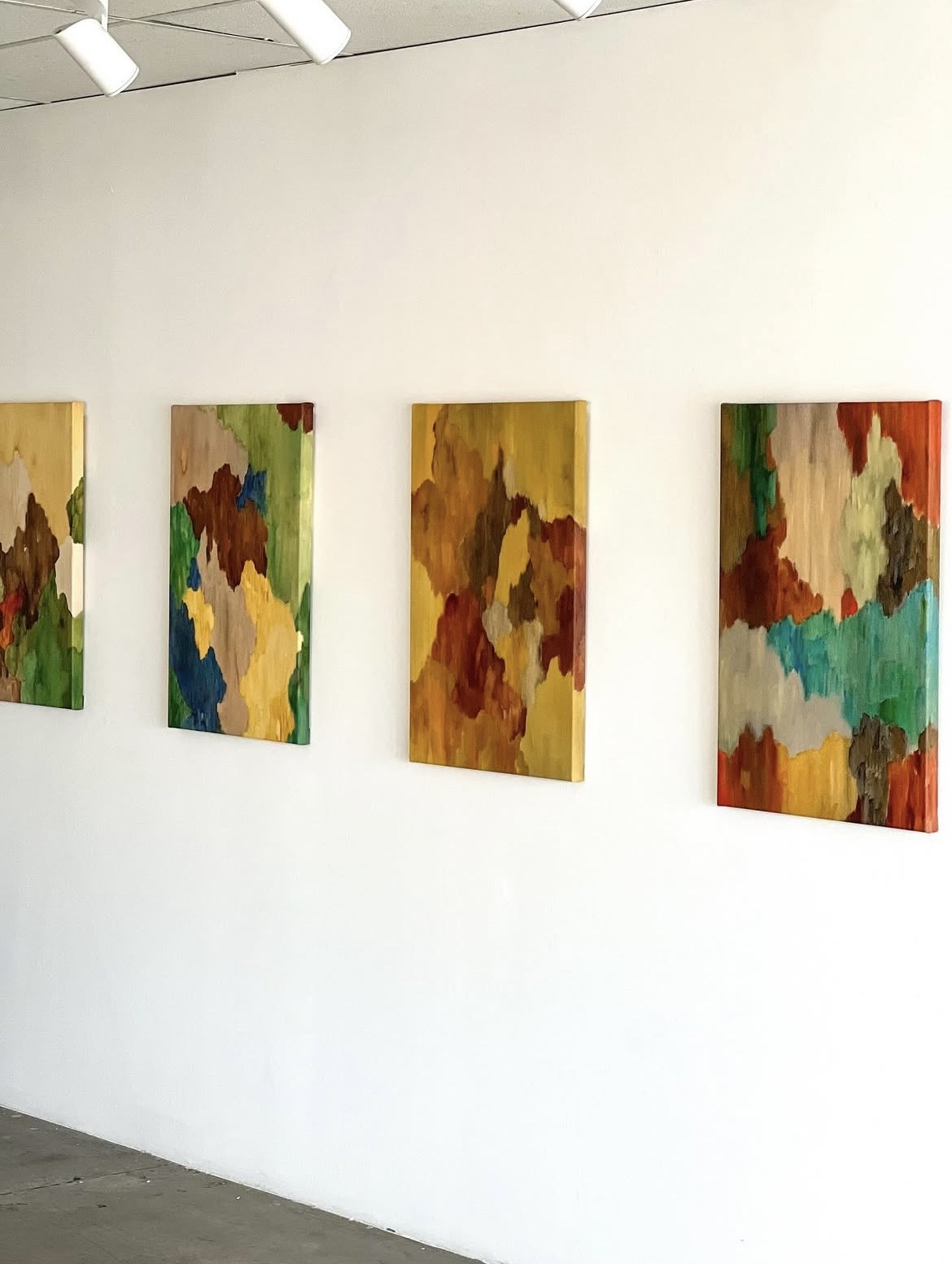
The concept for her next body of work had been circling for a while. Her family's attempts at Uzbek dishes in Australia never tasted quite right. The flour was wrong, they'd say; the tomatoes weren't sweet enough. "I grew up thinking, honestly, it still tastes bloody good, what did I know?" But the complaint stayed with her: a recipe can travel, but the land it came from can't. It was the ikat question turned inside out, asking what survives the journey and what stays behind.
She worked between feeds and naps. "When I was in that studio, I was locked in." The result, Kosh-Chenar, won a Fringe Weekly Award at the 2026 Adelaide Fringe Festival. The bigger win was proof she hadn't lost herself along the way.
Asked what she would make with uninterrupted time, no brief and just an open studio, Nadera doesn't hesitate. "Uzbekistan."
She imagines learning suzani alongside a master embroiderer who still dyes thread the old way, with madder, indigo, pomegranate rind and onion skin, whatever the recipe calls for. "Not researching my heritage from a distance for once. Actually sitting with my hands in it."
She doesn't know what would come out the other side, and that uncertainty is part of the appeal. She isn't looking for a technique to bring home to the canvas. She wants the experience to change the practice itself, whether that means thread entering the paint, the paint giving way to cloth, or something she can't yet name, shaped as much by the person teaching her as by her own hands.
See more of Nadera’s work - www.nadera.com | @nnaderaa
Images supplied by artist