.avif)

← Back
Share →
Kate Davis
Director, designer, death doula, maker of ceremony.
Artist Talk is a series by Densi where we speak with artists about the intersections of life and practice. As artists ourselves, these conversations are an ongoing way of understanding how creativity takes root, and how we can continue to cultivate its power.
Kate Davis is a multidisciplinary artist based in Melbourne who has never operated within a single form. Over two decades, her practice has moved fluidly across performance, visual art, design, dramaturgy, floristry - and now, death doula work. As Co-Artistic Director of experimental performance company THE RABBLE, she has made nineteen new works and collaborated with some of Australia’s most significant arts organisations. What connects all of it is a deep curiosity about the things we find hardest to look at - and a belief that art can hold space for them.
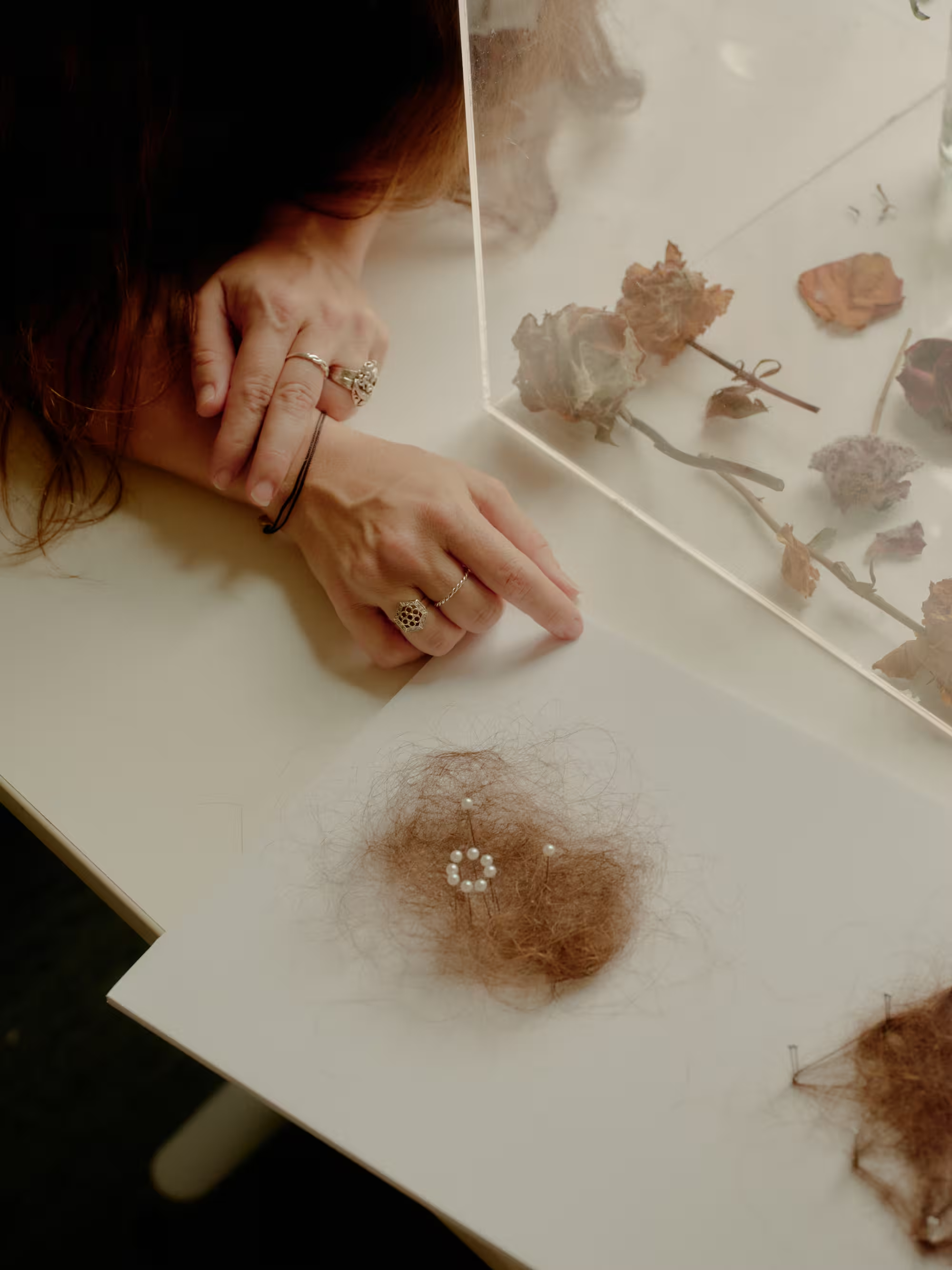
Art in three words: Necessary/ife blood. Illuminating. Reflective.
On identity-
“I feel like I’ve always been an artist, even as a child. It wasn’t a conscious decision - it was simply who I was.”
From a young age, Kate felt an urgent need to create. It began with her body - through dance - and with language, through poetry. There was no threshold moment of deciding to be an artist, it was simply already true. On being an artist, "The main barrier I've faced has really been financial survival - finding a way to sustain myself while continuing to make work."
On evolution -
“I see my ever-evolving practice as a kind of tapestry. All the forms weave in and out of one another - overlapping, informing each other, the boundaries constantly blurring. It’s difficult to define what I do because it moves across so many forms and worlds.”
Performance, design, floristry, death work - Kate resists the idea that these are separate practices, or that one is primary. At the core of all of them is juxtaposition: an inherent tension, most often between beauty and the grotesque.
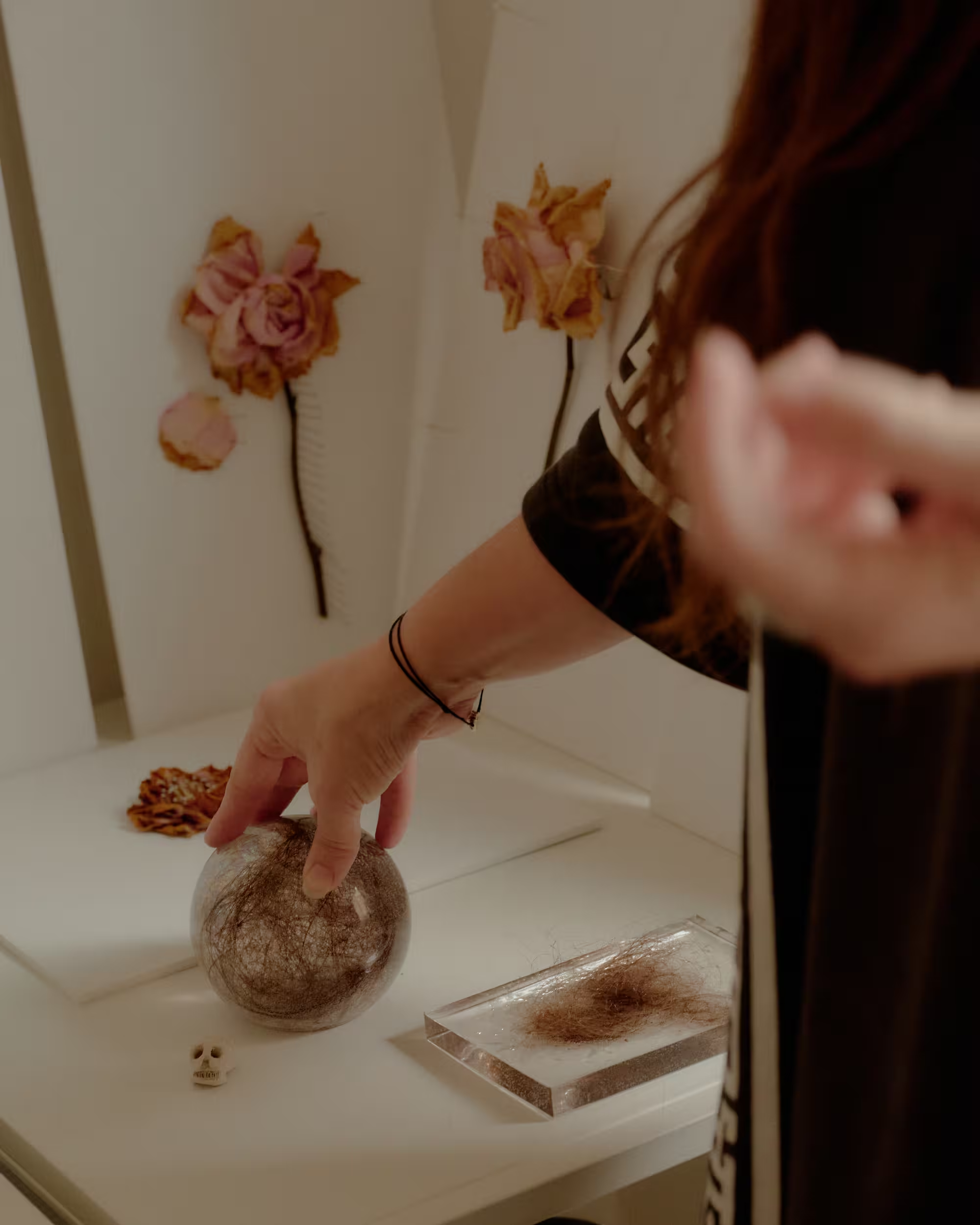
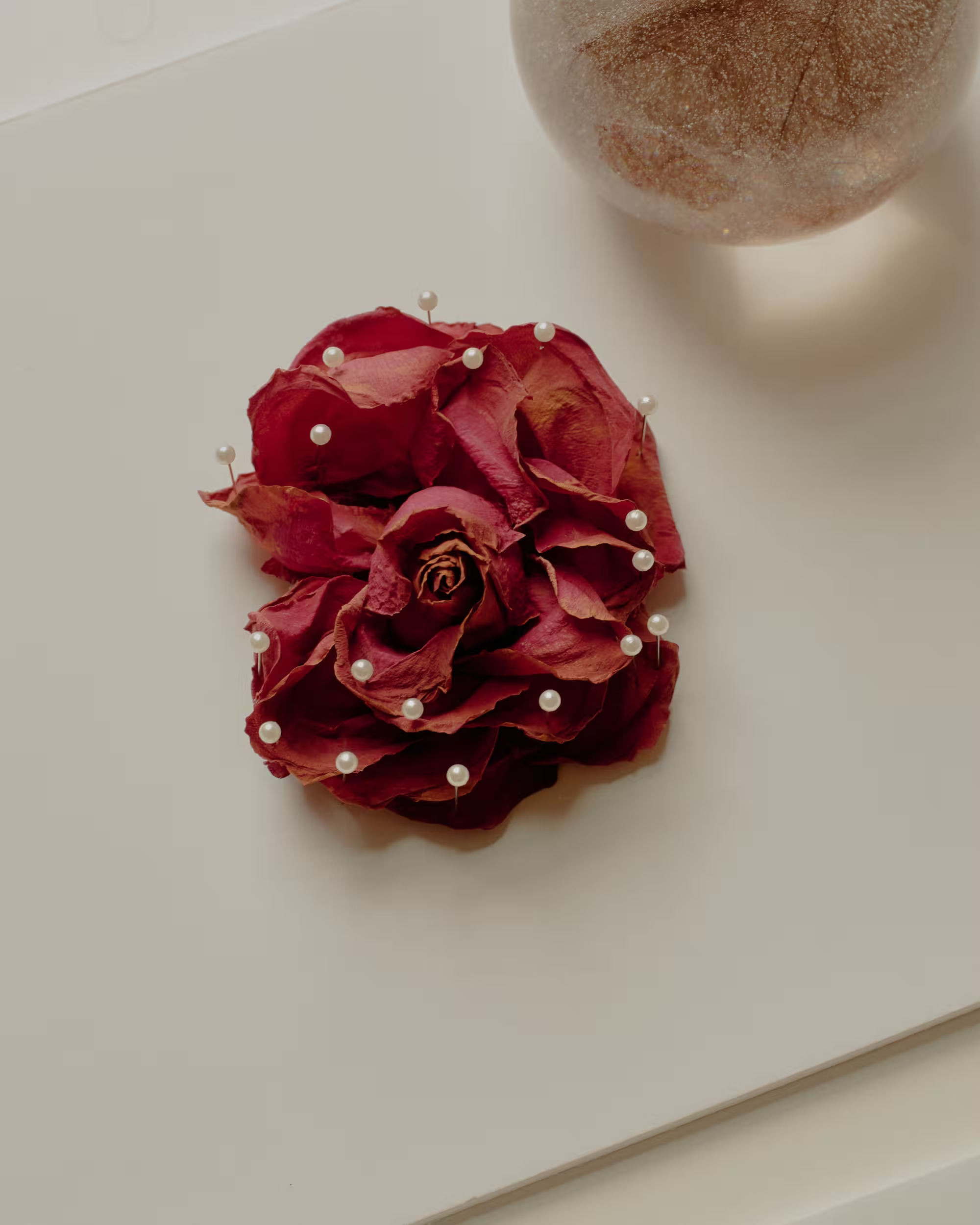
Her studio reflects this. Collected hair from hairbrushes sits alongside decomposing flowers. Mould grows on roses. She photographs it - specimens, suspended. There’s something about hair - one of the things that remains long after death - that fascinates her: mourning jewellery, the Victorian lock of hair, the material caught between the intimate and the repulsive. “So bodily and human,” she says. “Death is the same.”

For Kate, ideas arrive as dreams or waking visions - a feeling, or an image. In performance work, they stem from a desire to understand an idea or world more deeply. Her work almost always reflects where she is in her life at that exact moment. Within THE RABBLE’s performance works, there’s also a strong focus on collaborating with the community - creating space for visibility, and exploring what it means to be human. “At its heart, it’s about how we hold and honour these experiences, and how we might create ritual and ceremony around them.”
On death –
“It’s not part of our everyday conversations. In Western culture, it feels incredibly sanitised, removed from the reality of being human.”
Kate has been drawn to death since childhood. But it became central to her practice after she witnessed and experienced two deeply affecting deaths. What struck her was not only how profound those experiences were, but how little space Western culture makes for them.
She studied floristry during COVID, mostly at home, watching flowers decompose in stillness. That slowness became its own kind of enquiry - one that has since grown into a developing body of work exploring keepsake-making, hair and ritual as a way of sitting with grief. She has recently trained as a Death Doula, formalising a practice she had already been living. "Death," she says, "can be so profound you can be taken by it. That's what makes you want to go deeper."

On residency –
“I wanted to create a space for community to talk about death. To see what becomes possible when you simply provide that space.”
Kate spent the first three months of 2026 as artist in residence at Abbotsford Convent in Melbourne. Rather than presenting an open studio or artist talk as the public outcome, she curated something else: a Death Salon, held in the Convent’s Oratory.
Guests gathered around a communal table, shared a glass of wine, and talked - openly, and without agenda. No facilitation. Just community. The model is drawn from the global Death Cafe movement: free, tea and cake, purely led by whoever shows up. Each guest left with a “death show bag” filled with resources, and a chocolate silver heart at the end of the evening.
Seeing people arrive ready and open was its own kind of revelation. “A real step toward death literacy,” Kate says. For her, the residency experience reinforced something she feels strongly: that there is a clear and pressing need for opportunities like these, and that it is crucial artists are able to access them.
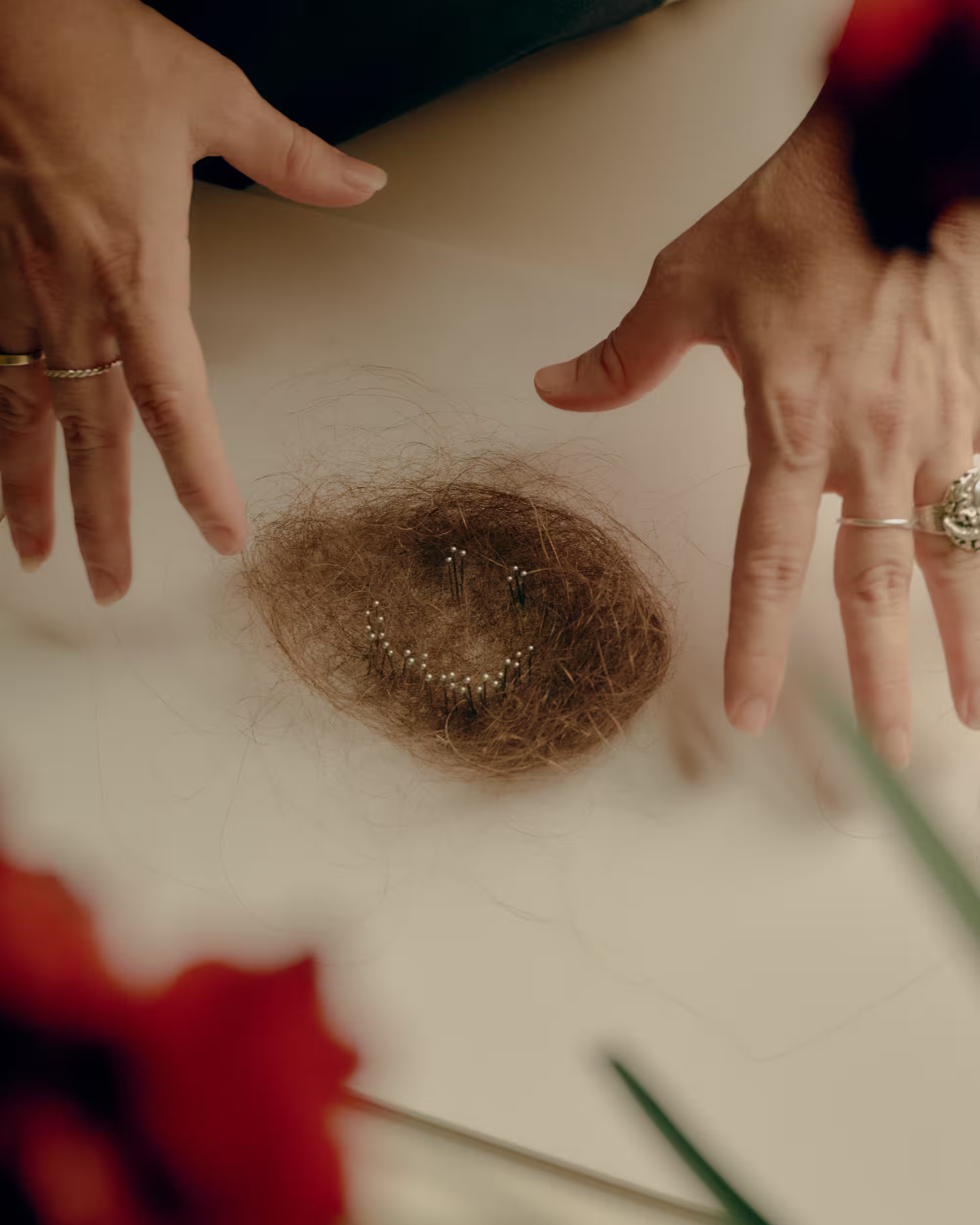
See more of Kate's work - here
All photography courtesy: Pier Carthew